Facebook Live Video Storage Update: What You Need to Know
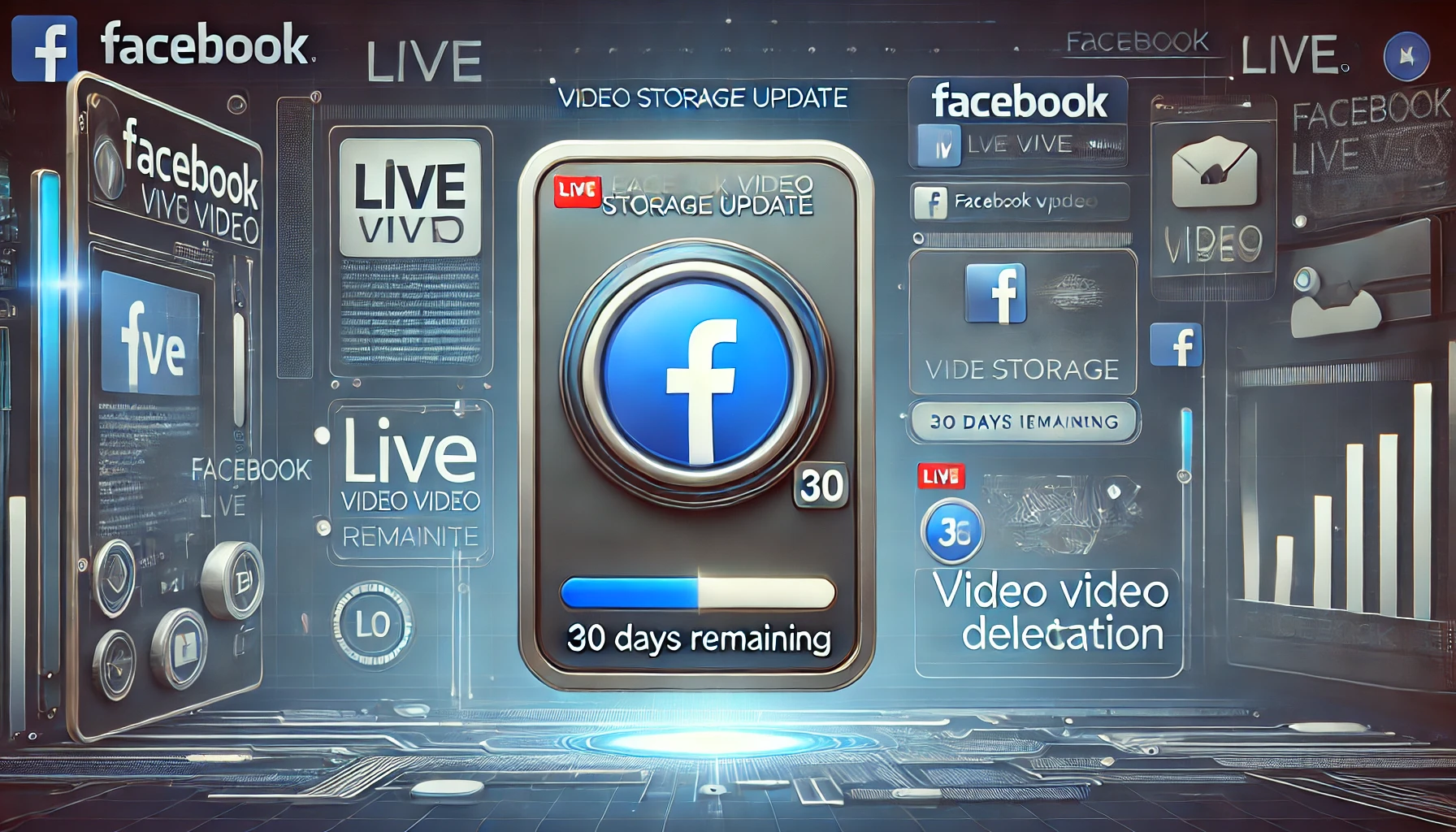
Meta has announced an important change regarding the storage of Facebook Live videos that users need to be aware of. Starting February 19, the company will automatically delete live stream videos that are older than 30 days. This shift aims to optimise storage and reduce operational costs. Previously, users could revisit and share past broadcasts at any time, as live videos were stored indefinitely. However, this will no longer be the case, and any older live videos will be permanently removed unless users take steps to download them or convert them into Reels.
The reason behind this decision stems from Meta’s observation that the majority of live video views occur within the first few weeks following a broadcast. In light of this trend, the company believes that retaining these videos indefinitely is unnecessary. Instead, live streams will now be accessible for 30 days before automatic deletion occurs. This change is part of a broader initiative by Meta to cut storage costs and focus its resources on AI development and platform enhancements, with plans to invest over $65 billion in AI this year. Consequently, optimising data storage has become a significant priority.
Meta has confirmed that all existing live videos older than 30 days will also be removed in stages over the upcoming months. To give users ample time to save any essential content, new tools are being introduced that will allow broadcasters to download old live videos before they are permanently deleted, convert live streams into Reels, and even extend the deletion period by an additional six months if needed.
For users wishing to retain their Facebook Live broadcasts, manual downloading will be required prior to the deletion process. This can be done by navigating to one’s Facebook profile or page, finding the desired live videos, clicking on them, and selecting the download option to save them to their device or cloud storage. Meta is also providing a bulk download option for those with multiple live videos, making it much easier to preserve content.
Ultimately, this update signals a need for Facebook Live streamers to plan their content retention strategies more carefully. With the new 30-day storage limit, users are encouraged to either download their content, repurpose it into Reels, or let it fade into obscurity. Brands, influencers, and content creators who depend on Facebook Live will need to adjust their strategies to ensure valuable broadcasts remain accessible. While this change may pose some inconvenience, it aligns with Meta’s cost-cutting measures and focus on AI development. To avoid losing any important live videos permanently, it’s advisable for users to download them as soon as possible.