Meta Antitrust Trial Insights: Zuckerberg’s Testimony Reveals Strategic Decisions and Competitive Challenges
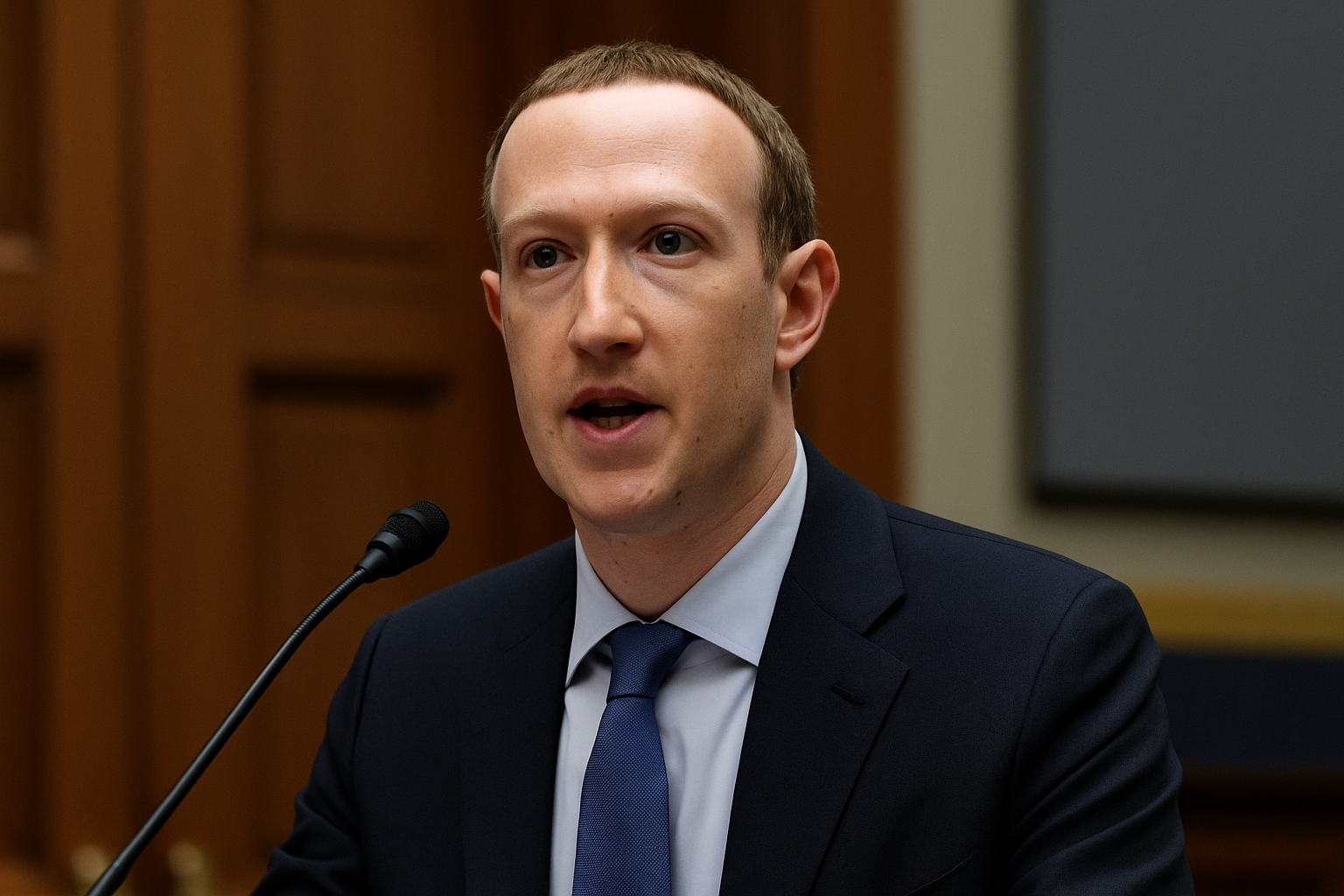
In April 2025, Meta Platforms Inc.—the parent company of Facebook, Instagram, and WhatsApp—found itself at a critical juncture in its corporate journey. The U.S. Federal Trade Commission (FTC) initiated an antitrust trial aimed at unwinding Meta’s acquisitions of Instagram and WhatsApp. The FTC alleged that these acquisitions were strategic moves designed to eliminate competition and establish a monopoly within the social media landscape. Central to this trial was the testimony of Meta’s CEO, Mark Zuckerberg, which provided a rare insight into the company’s internal deliberations and strategic decisions.
One of the most significant revelations from Zuckerberg’s testimony was his reflection on the possibility of spinning off Instagram as a separate entity back in 2018. Faced with mounting scrutiny from antitrust regulators, Zuckerberg indicated in internal communications that divesting Instagram could potentially benefit both companies. He pointed out that while many organisations resist breakups, historical trends show that many perform better after separation. This admission underscores the pressure Meta faced from regulatory bodies and raises questions about whether the decision to retain Instagram was driven more by competitive concerns than by genuine business synergies.
In defending the acquisition of Instagram, Zuckerberg emphasised the platform’s superior camera features compared to those developed by Facebook at the time. He framed the decision as the outcome of a “build vs. buy” analysis, concluding that acquiring Instagram was more advantageous than attempting to create a similar product internally. This justification, while consistent with common business practices, also bolsters the FTC’s argument that Meta preferred to acquire potential competitors instead of engaging in fair competition with them. This “buy over build” strategy, particularly in the face of emerging rivals, lies at the heart of the antitrust issues raised in the trial.
Zuckerberg also highlighted a significant shift in social media consumption patterns, noting a decline in content generated by users’ friends. Instead, he pointed out that more content now comes from accounts users follow based on interests, with only around 20% of content on Facebook and 10% on Instagram coming from friends. This observation challenges the FTC’s definition of the relevant market, which primarily focuses on social networks built around personal connections. By demonstrating the evolving nature of social media engagement, Meta aims to argue that the competitive landscape has changed, casting doubt on the validity of the FTC’s claims regarding the company’s dominant position.
The FTC contends that Meta’s acquisition of Instagram enabled the company to increase advertising content, potentially harming user experience. In response, Zuckerberg explained that Meta’s system is designed to tailor ads to users who prefer them, suggesting a personalised approach to advertising. He also disclosed that Meta had considered the idea of introducing an all-ad feed, although this concept was ultimately not implemented. This admission reflects the company’s exploration of various monetisation strategies, raising concerns about how the balance between generating revenue and ensuring user satisfaction is managed.
Moreover, Zuckerberg acknowledged that Meta had been slow to recognise TikTok as a significant competitor during the late 2010s, referring to it as the “highest competitive threat” to both Instagram and Facebook in recent years. This recognition is crucial to Meta’s defence and challenges the FTC’s assertion of unilateral monopolistic behaviour. By highlighting the presence of formidable competitors like TikTok and YouTube, Meta seeks to illustrate that the social media market is dynamic and competitive, undermining the validity of the FTC’s claims.
The outcome of this antitrust trial could have profound implications for both Meta and the broader technology sector. If the FTC succeeds in its efforts to unwind the acquisitions of Instagram and WhatsApp, it may set a precedent for more rigorous regulatory intervention in the tech industry. Such a decision could lead to increased scrutiny of mergers and acquisitions, particularly those involving potential competitors. For Meta, a forced divestiture would not only affect its business operations but signal a significant shift in how regulatory bodies address market dominance in the digital age. This situation would compel the company to reevaluate its growth strategies and potentially alter its approach to innovation in the future.