Threads Web Experience Update Improves Usability, Features, and Engagement Metrics
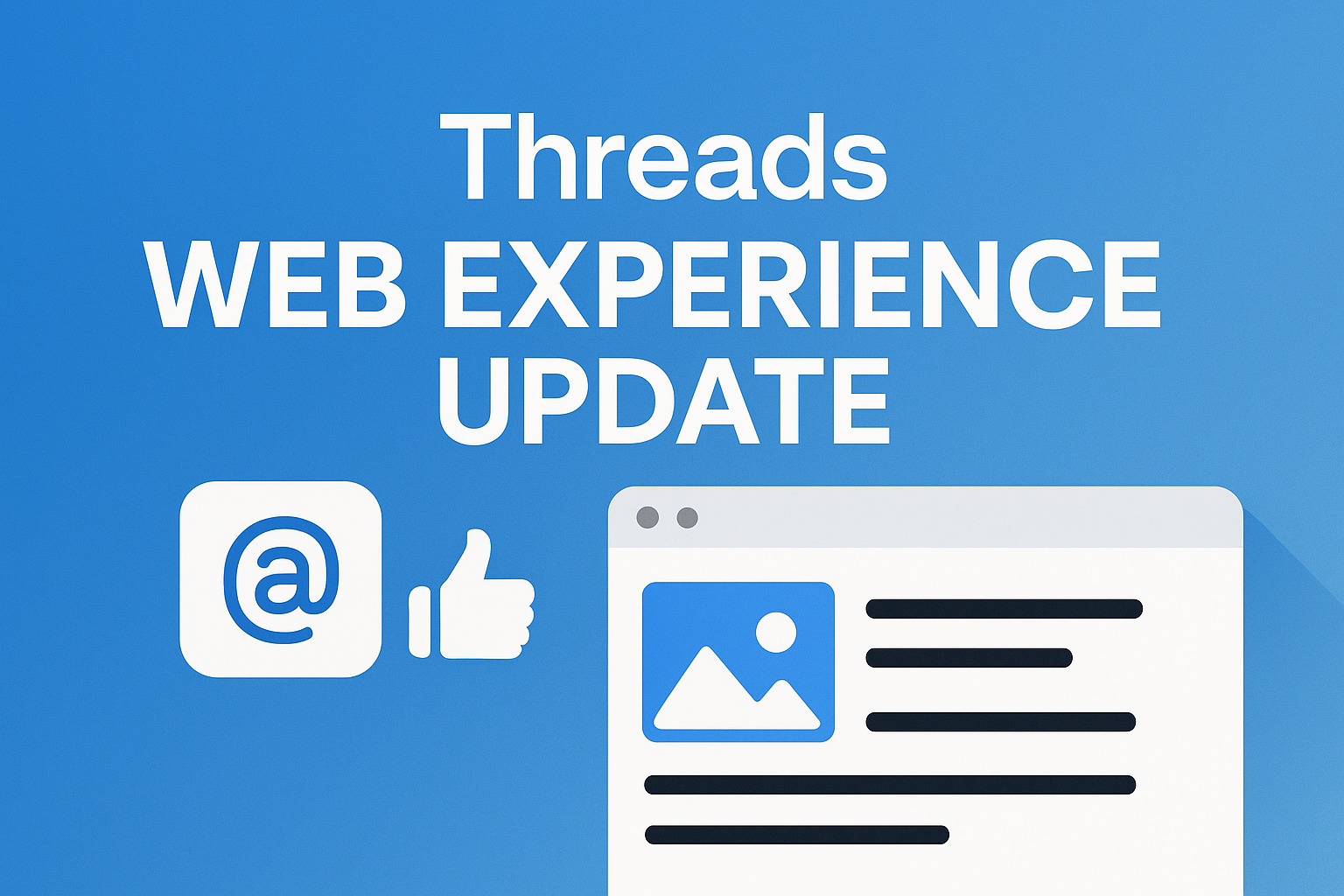
Meta has officially announced a significant update to the Threads web experience, marking a strategic move to directly compete with platforms like X (formerly Twitter). This update is a vital part of Meta’s broader vision to transform Threads from a mobile-first application into a fully functional social platform accessible across all devices. As Meta continues to roll out new features focused on conversation, discoverability, and engagement, business users and content creators have a unique opportunity to leverage these changes. This article takes an in-depth look at the April 2025 Threads web update, its enhancements to user experience, and the strategic advantages for businesses as the platform continues to evolve.
Threads, which launched in 2023 as a text-based conversation app closely tied to Instagram, initially attracted users seeking a simpler and more friendly alternative to the increasingly politicized and monetised X platform. However, its early web experience was limited, leaving business and power users—who often rely on desktops—frustrated by the lack of full functionality. The recent update directly addresses these concerns by introducing a more robust and flexible desktop experience, allowing for broader access and improved usability.
The April 2025 update brings several key features that enhance the user experience. One of the most notable improvements is the introduction of real-time notifications. Previously absent from the web version, this new feature allows users to receive immediate alerts for likes, reposts, and replies, making it easier to stay engaged without the need to switch devices. Additionally, the post creation tools on desktop have been significantly enhanced, making them intuitive and visually consistent with the mobile experience. Businesses can now draft, edit, and schedule posts, upload photos and videos directly from desktop, add alt text for images to enhance accessibility and SEO, and utilise formatting options such as bold, italic, and lists — all of which are invaluable for effective content marketing.
Another critical improvement lies in search and discovery functionality. Meta has made strides in enhancing keyword and hashtag search capabilities. While these tools are still not as advanced as those found on platforms like Instagram or Twitter, Threads is clearly taking steps towards better content discoverability. Moreover, the new update introduces persistent navigation and seamless scrolling, allowing for smoother navigation. For businesses managing multiple accounts or tracking discussions, this enhancement simplifies content monitoring and engagement efforts.
Managing profiles on the web has also been made much easier with this update. Users can now edit bios and links, update profile pictures and banners, manage who can reply to posts, and access basic analytics for Threads performance—features that were previously cumbersome to navigate.
The implications of these updates for business users are significant. The streamlined web interface allows teams working on desktop setups to integrate Threads into their daily content strategies without unnecessary device-switching, which enhances productivity, particularly for small businesses and agencies managing multiple clients. The inclusion of real-time notifications supports quicker responses to customer queries and community engagement, contributing to increased customer satisfaction and improved visibility in platform algorithms.
Furthermore, the ability to format content effectively using various options helps businesses present their posts more professionally. This advancement enhances brand communication that mobile-only formats previously struggled to achieve. Although Threads posts are not fully indexed by major search engines like Google yet, the improvements in web discoverability suggest that this could change in the future. The inclusion of alt text and the potential for schema markup may encourage businesses to consider Threads as part of their broader SEO strategy, reinforcing their brand presence and driving traffic through engaging posts that can be shared or embedded on websites.
When comparing the Threads web experience with that of X (formerly Twitter), notable differences become evident. Threads now supports real-time notifications and enhanced profile management, while improvements in search and discovery tools represent significant growth, although they still lag behind X’s capabilities. While Threads has yet to introduce scheduled posting, it offers richer text formatting options compared to X’s limited features. Although Threads has room for growth, it’s clear that Meta is committed to evolving the platform based on user feedback. For businesses looking for stability amid the chaos of X, Threads may offer a more structured and welcome alternative.
To get the most out of Threads on desktop, business users should consider using the platform to extend conversations initiated on Instagram, fostering detailed discussions and deepening engagement with their audience. This strategy not only enhances user interaction but also leverages the inherent connectivity between the two platforms for maximum impact.