Facebook Business Support Issues: Navigating Meta’s Customer Service Challenges
Facebook Business Support Issues have become a persistent and growing concern for companies relying on the platform to manage their marketing, advertising, and customer engagement. In an age where digital presence is often the cornerstone of brand visibility, Facebook—now part of Meta Platforms Inc.—holds enormous sway over business success. Yet, the very enterprises that invest time, money, and resources into Facebook’s ecosystem frequently find themselves grappling with a lack of timely, effective, and accessible support. This expert insight addresses the specific problems businesses face when seeking help, the real-world impact of inadequate support, and detailed strategies that can be employed to reduce reliance on unpredictable systems and recover faster when issues occur.
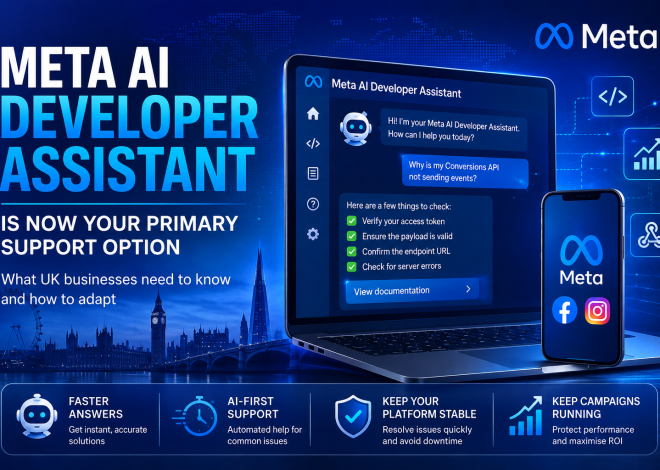
The crux of Facebook Business Support Issues lies in its over-reliance on automated systems and under-delivery of meaningful human interaction. Businesses encountering problems such as ad account suspensions, page restrictions, billing anomalies, or compromised access routinely experience a frustrating loop of AI-driven help pages, generic chatbot responses, and inaccessible appeal processes. These support gaps can severely disrupt day-to-day operations. Unlike traditional business service providers who typically maintain account managers, hotlines, or direct escalation paths, Facebook’s model remains stubbornly non-interactive for the vast majority of users. Businesses are left to fend for themselves in a complex support maze that favours large spending advertisers and leaves small-to-medium enterprises struggling for clarity and resolution.
One particularly serious aspect of Facebook Business Support Issues is account security. Business pages and ad accounts are valuable digital assets, often linked to credit cards, customer data, and marketing pipelines. Hacked accounts, phishing scams, and social engineering attacks can lead to total loss of access. In some cases, compromised pages are used to run fraudulent ads, leading to significant financial exposure and reputational harm. The process of reclaiming access is widely reported to be inconsistent, with limited confirmation of identity procedures, unclear timelines, and abrupt account closure decisions that appear automated rather than assessed by a support representative. These vulnerabilities erode trust and make business users wary of investing deeper into Meta’s business infrastructure.
Advertising difficulties are another central theme in the broader landscape of Facebook Business Support Issues. Facebook Ads Manager and Business Manager tools are powerful but often opaque. Businesses regularly face issues such as ad disapprovals with vague reasoning, unexplained delivery drops, or algorithmic penalties for community standard breaches that are difficult to interpret. When an ad is wrongly disapproved or a campaign underperforms due to suspected delivery bugs, there’s often no one to contact. Small businesses in particular, who lack the volume to qualify for Meta’s premium advertiser support, are funnelled into the self-help loop. For companies running time-sensitive campaigns—such as product launches or event promotions—the cost of a delayed resolution can be substantial, both in terms of lost revenue and missed opportunity.
Billing and financial disputes add further complexity to the problem. Facebook’s billing system can generate sudden charges, duplicated transactions, or unexpected costs related to past campaigns. Disputing these charges is far from straightforward. Meta’s support documentation offers few concrete answers, and in many cases, the advice redirects users back to their bank or card issuer, rather than offering a transparent and accountable resolution process. This leaves business users feeling unprotected and disempowered, particularly when dealing with recurring billing errors or subscription-related confusion. It is not uncommon to find online forums filled with unresolved cases involving hundreds or thousands of pounds.
The opacity of Meta’s internal decision-making contributes to the sense of helplessness experienced by many business users. Pages can be unpublished without warning, accounts disabled with little explanation, and appeals rejected automatically without the option for human review. Facebook Business Support Issues are frequently compounded by a lack of communication—notifications may be sent but offer no detailed reasoning or route for clarification. Some businesses have reported multiple appeal attempts resulting in the same templated rejection response, raising questions about whether appeals are even reviewed at all. This lack of procedural fairness undermines confidence in the platform and can create lasting damage, particularly for small businesses who rely on their Facebook page as their primary customer-facing channel.
Part of the problem stems from Facebook’s centralisation of its help systems. The majority of queries, regardless of severity, are funnelled through Meta Business Help Centre. While this portal does contain a wide range of articles, videos, and community responses, it rarely provides tailored solutions. Facebook Business Support Issues demand context-specific answers that are simply not available through generic content. For example, an advertising account banned due to “policy violations” might not receive any explanation about which specific ad caused the breach or what corrective action might result in reinstatement. This leaves businesses unable to learn from the situation or adapt their practices to comply in future.
To navigate Facebook Business Support Issues effectively, businesses must adopt a proactive and multi-layered approach. First, it is critical to maintain meticulous records of all interactions with Meta, including screenshots, email notifications, and correspondence via chat or forms. Documentation can prove invaluable when escalation is possible, either through the Facebook Concierge support (for qualifying ad accounts) or third-party interventions such as advertising partners or digital agencies with platform access. Second, businesses should invest time in learning Facebook’s policy frameworks—particularly around advertising, commerce, and community standards. Missteps often arise from unclear wording or inconsistent enforcement; having a clearer understanding can help prevent infractions before they occur.
Another recommended strategy is diversifying communication and marketing channels. Relying solely on Facebook for engagement, traffic, or revenue is increasingly risky given the unpredictability of support outcomes. Integrating email marketing, SEO, LinkedIn outreach, and even traditional media can help spread risk and ensure continued access to audiences even if one channel experiences disruption. Likewise, maintaining duplicate administrator access to business pages, regularly reviewing user permissions, and employing two-factor authentication can mitigate the impact of account takeovers or staff turnover.
Participating in external forums and professional networks also helps when dealing with Facebook Business Support Issues. Peer-led communities such as Reddit, LinkedIn groups, or specialised business owner forums can offer practical advice, support templates, and alternative contact methods not readily available through Meta’s official pathways. In some cases, other users may share recent experience of successful appeals or suggest newer strategies for regaining account access. While these methods are not foolproof, they provide an added layer of community-driven problem solving.
For businesses with consistent advertising spend, one route to improved support is reaching Facebook’s threshold for Managed Services. While Meta has not published a fixed spend requirement, anecdotal reports suggest that accounts spending several thousand pounds per month may be eligible for direct support from a Meta marketing expert. These dedicated contacts can sometimes expedite support cases, assist with ad reviews, and offer strategic advice. However, this route remains inaccessible to many small businesses, reinforcing the need for broader reforms to Facebook’s overall support model.
Ultimately, the solution to Facebook Business Support Issues lies not just in adapting to the system but advocating for change. Meta must recognise the growing dissatisfaction among business users and invest in human-led support infrastructure. A scalable model that allows users to escalate cases, track response timelines, and receive individualised feedback would go a long way towards rebuilding trust. Until then, businesses must continue to prepare for support breakdowns and adopt a self-sufficient posture when using Facebook as a commercial tool.
In summary, Facebook Business Support Issues affect businesses of all sizes, from independent retailers to large-scale advertisers. The combination of opaque policies, poor communication, and over-automation has created a difficult environment for users seeking help. By understanding these challenges, documenting issues, diversifying strategies, and connecting with others facing similar problems, businesses can better manage the risks. Meta’s tools still offer powerful capabilities for outreach and growth—but only for those equipped to navigate the shortcomings of its support system with clarity and persistence.