Meta AI Ads Targeting Expands with New Performance Optimisation Options
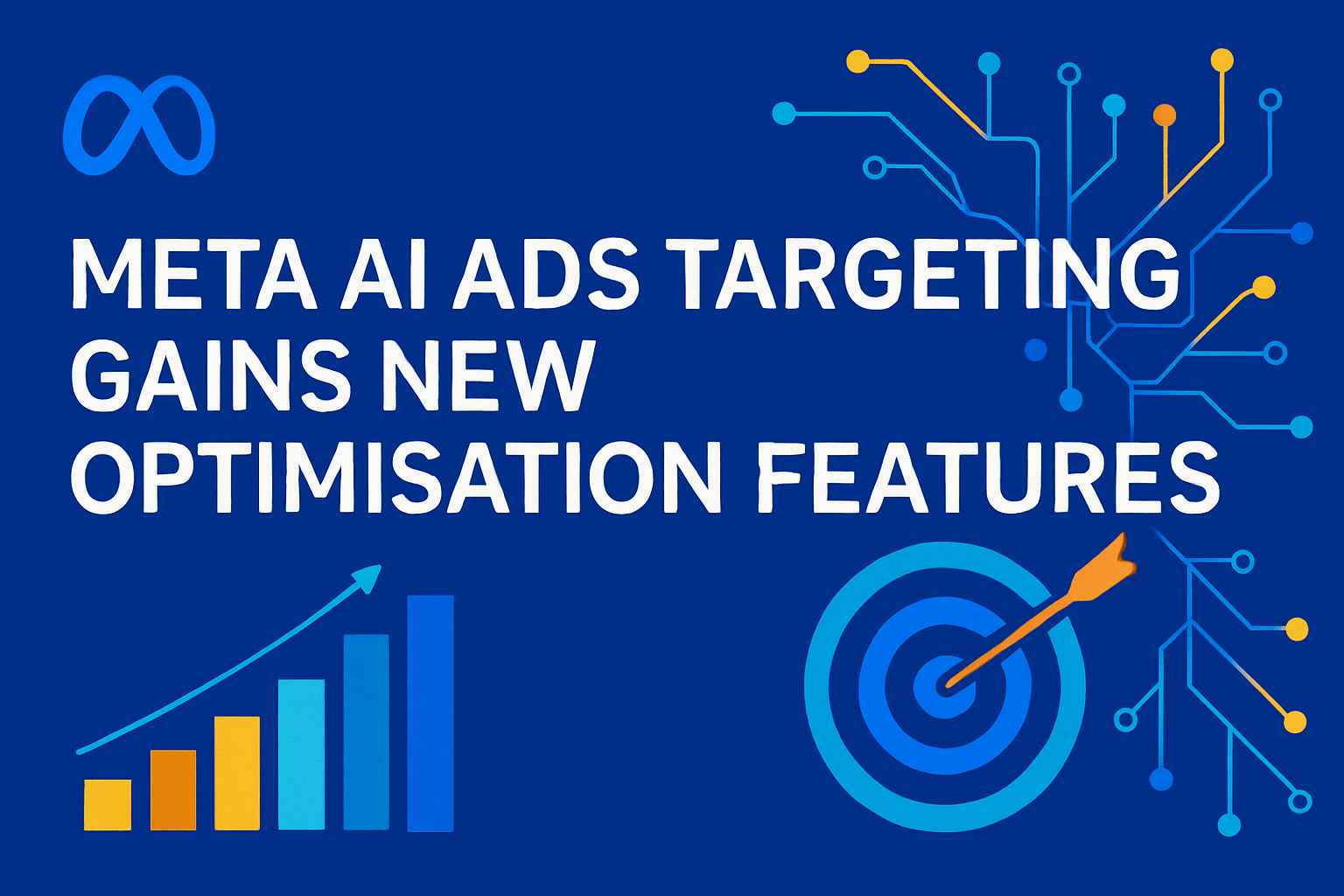
Meta AI ads targeting has recently introduced new optimisation features designed to improve the way businesses run advertising campaigns across Facebook and Instagram. These enhancements aim to give marketers greater control over campaign results by allowing them to set more precise commercial goals. For years, advertisers have struggled with a lack of detailed customisation options when using Meta’s ad systems, but with the latest developments in this, this is beginning to change significantly.
One of the key upgrades to Meta AI ads targeting is the ability for advertisers to choose from a wider range of campaign objectives. Previously, marketers were limited to general targets such as brand awareness or engagement, which did not always lead to real business outcomes like sales or lead generation. Now, offering more specific goal parameters, businesses can focus on conversions that directly impact their growth, such as app installs, website visits, or completed purchases, ensuring that their ad spend is working efficiently towards meaningful results.
Additionally, it has improved in terms of campaign optimisation. Where the system once prioritised surface-level actions like likes or video views, the technology can now focus on deeper business goals. Advertisers can instruct the AI to target more valuable customer actions, including filling out lead forms or completing checkouts. This development is crucial for businesses eager to turn interest into revenue and ensures that every campaign drives tangible outcomes instead of vanity metrics.
Small businesses, in particular, stand to benefit from these enhancements to Meta AI ads targeting. In the past, only large companies with access to specialist ad teams could fully exploit advanced ad optimisation tools. The new features within Meta AI ads targeting help level the playing field by giving all advertisers, regardless of size or budget, access to powerful AI-driven campaign management. This means smaller companies can reach high-quality audiences and reduce wasted spend on irrelevant clicks, making their advertising investment more effective.
A major strength of Meta AI ads targeting is its use of real-time data to adjust audience reach automatically. Instead of manually selecting demographics such as age, gender, or interests, advertisers can let the AI identify promising audience segments based on live campaign performance. As the system detects which users are more likely to convert, Meta AI ads targeting shifts delivery toward those individuals, increasing the chances of achieving business goals without constant manual oversight.
Initial reports about Meta AI ads targeting suggest that these changes are already making a positive difference. Businesses involved in early tests have reported improvements in conversion rates and lower costs per result. While Meta has not yet provided full data to the public, these promising results indicate that Meta AI ads targeting may lead to more profitable advertising for many industries.
Despite its strengths, Meta AI ads targeting also presents some challenges. As the system automates more campaign elements, marketers may find it harder to understand exactly how their ads are being optimised. This lack of transparency could make it difficult for advertisers to gather insights or learn which strategies are working best. Businesses relying on Meta AI ads must weigh the benefits of automation against the need for understanding their campaign performance in detail.
Data privacy is another consideration with Meta AI ads targeting. The system’s success depends on processing large amounts of user data to make accurate decisions, which raises questions about compliance with regulations like GDPR. Companies that are using must remain informed about Meta’s privacy policies to ensure that their campaigns meet legal standards and protect customer trust.
Overall, it offers significant improvements for advertisers seeking better control and efficiency. The new features allow even small businesses to compete effectively with larger rivals, using AI-powered tools to drive valuable actions like sales, app installs, or lead generation. As digital advertising continues to evolve, it reflects a wider industry shift toward smarter, more automated campaign management.
For brands looking to stay competitive, adopting the method could provide a major advantage. By reducing wasted ad spend and focusing on high-value outcomes, companies can maximise returns on their marketing efforts. Whether targeting online shoppers, potential app users or B2B customers, the flexibility and power could make it a vital tool for future digital marketing strategies.
In conclusion, Meta AI ads targeting marks a positive step forward in online advertising. With more precise optimisation features and broader access to AI-driven insights, businesses can improve campaign results while reducing complexity. As these tools develop further, will likely become an essential part of any successful advertising strategy, helping brands of all sizes reach their audiences and achieve their marketing goals.