Automated Ads vs Regular: Key Differences Every UK Business Should Know
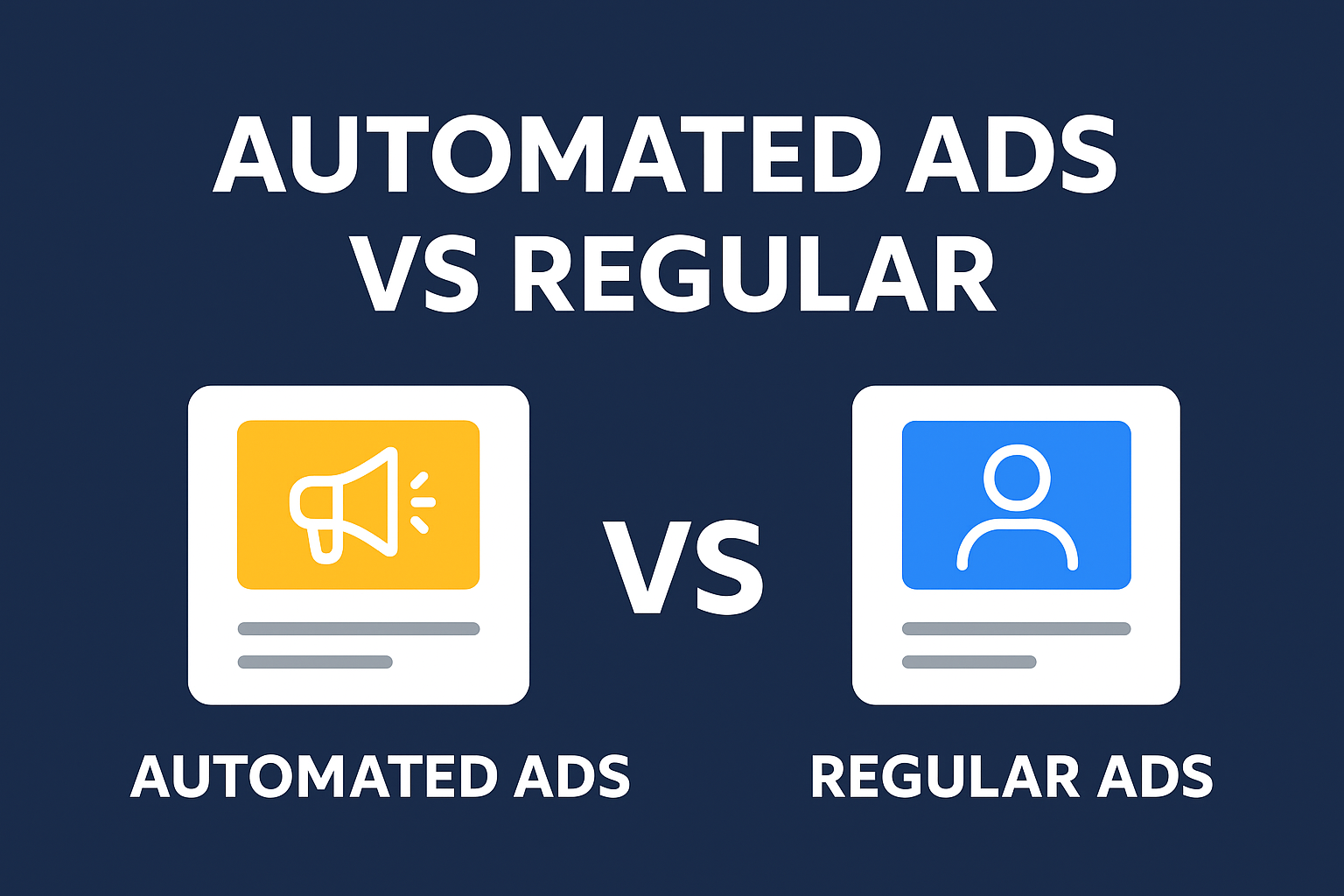
When it comes to digital marketing on Facebook and Meta platforms, understanding the differences between automated ads and regular ads is crucial for UK businesses looking to maximise their advertising performance. Automated ads vs regular ads present distinct approaches to campaign management, targeting, and optimisation, and recognising these differences can dramatically affect both reach and return on investment. Many business owners mistakenly assume that all ads function the same, but the reality is that automated ads leverage AI-driven optimisation while regular ads rely on manual settings, creating separate experiences for advertisers. For more insights on optimising Facebook campaigns, you can refer to Meta Business Help Center.
Automated ads are designed to simplify the advertising process by using Meta’s algorithms to automatically adjust targeting, placements, and bidding strategies based on campaign objectives. For businesses, this means the platform actively monitors user behaviour and ad performance, making real-time adjustments to improve outcomes. The key benefit of automated ads lies in efficiency: businesses can set campaign goals, such as lead generation or website conversions, and allow Meta’s AI to handle the complex optimisation processes. This is particularly useful for small to medium-sized enterprises that lack dedicated ad management teams, as it reduces the need for constant manual intervention. Learn more about how automated ads work at Social Media Examiner.
On the other hand, regular ads offer complete control over every aspect of a campaign. Advertisers choose specific audiences, placements, budgets, and bidding strategies, giving them precision in targeting and messaging. While this approach can deliver highly tailored campaigns, it requires significant expertise and continuous monitoring to ensure optimal performance. Regular ads are ideal for businesses that have experienced marketing teams and a clear understanding of their audience behaviours, as the manual control allows for highly customised testing and refinement. However, this method can be time-consuming and may not always yield immediate results without careful analysis. For guidance on best practices, check out Hootsuite’s Facebook Ads Guide.
The performance differences between automated ads and regular ads are significant. Automated ads benefit from Meta’s machine learning, which continuously tests variations of creative, copy, and audience targeting to maximise conversions. This often leads to higher efficiency and better performance metrics with less hands-on management. In contrast, regular ads rely on human decision-making, which can be both an advantage and a limitation. While manual control allows for creative experimentation and specific targeting strategies, it also exposes campaigns to human error and slower optimisation.
Budget management also varies between the two types. Automated ads dynamically allocate budget to the best-performing audiences and placements, ensuring maximum return on spend. Regular ads require advertisers to manually distribute budgets across ad sets, which can result in underperforming segments if not continuously optimised. For UK businesses competing in fast-moving markets, automated ads offer a significant advantage by quickly adapting to changing consumer behaviours and engagement trends. For tips on improving your ad ROI, see our internal guide on Facebook ad optimisation strategies.
Another important difference lies in reporting and insights. Automated ads provide performance data with suggested improvements based on AI analysis, allowing businesses to make data-driven decisions without deep expertise. Regular ads, however, require detailed monitoring and interpretation by the advertiser, demanding both time and skill to identify trends and adjust strategies effectively.
In conclusion, understanding automated ads vs regular ads is essential for UK businesses seeking to enhance their Facebook advertising strategy. Automated ads provide efficiency, AI-driven optimisation, and hands-off management, making them suitable for businesses with limited resources or those seeking scalable campaigns. Regular ads, by contrast, offer full manual control, allowing for highly customised campaigns but requiring more expertise and active monitoring. By recognising the strengths and limitations of both approaches, businesses can choose the most appropriate advertising strategy to maximise engagement, conversions, and overall campaign success.