Meta AI Age Explained For UK Businesses And Creators
The phrase meta ai age has become a defining point of discussion for business users, creators, and digital marketers across the UK. As Meta accelerates the rollout of artificial intelligence across Facebook, Instagram, and other connected platforms, the so-called Meta AI age represents not just a technological shift but a complete transformation of how users interact, businesses operate, and digital content is managed. For many UK companies, the meta ai age is shaping how they advertise, engage customers, and stay competitive online in a landscape where AI-driven systems now control recommendations, search visibility, and user experiences more than ever before.
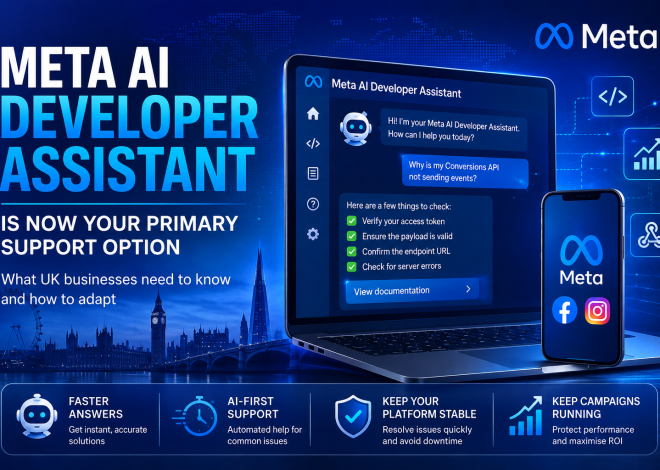
To understand the real implications of the meta ai age, it is necessary to look beyond the hype and marketing gloss presented by Meta. In practice, this new age means businesses are dealing with more automated systems and fewer opportunities to access human-led support. Whether it is AI chatbots replacing standard customer service channels or automated moderation tools making decisions on ads and posts, the power balance has shifted firmly towards machine learning and away from direct contact with Facebook or Meta teams. For UK businesses, this shift means adjusting expectations and strategies to work with AI tools that are constantly learning, adapting, and influencing how visibility and reach are determined.
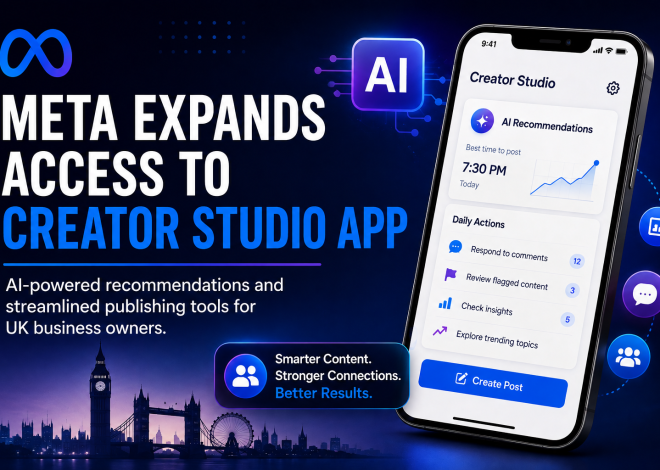
The most obvious marker of the meta ai age is the expansion of Meta’s built-in AI assistants across its platforms. Users now encounter generative AI tools embedded in search, Messenger, and Instagram, with the promise of delivering quicker answers, improved creativity, and automated insights. While this innovation presents exciting opportunities for content creation and productivity, it also leaves businesses vulnerable to over-reliance on systems that are not transparent about how data is used, ranked, or shared. In this sense, the meta ai age is double-edged: it enhances capabilities but simultaneously reduces human oversight, creating an environment where algorithmic decisions carry enormous weight for small businesses trying to thrive.
For advertisers, the meta ai age is already redefining campaign management. Instead of offering granular controls over targeting and bidding, Meta has steadily shifted towards AI-driven Advantage+ campaigns, where the system determines placement, audience selection, and budget distribution. On the surface, this appears efficient, but many UK advertisers report feeling disempowered as they no longer have the same degree of control over how and where their ads appear. The reliance on AI decision-making means that businesses must adapt their strategies, focusing on high-quality creative content, compelling ad copy, and consistent engagement signals, as these are the factors most likely to be rewarded by Meta’s algorithms in the current age.
Another defining element of the meta ai age is the rise of AI moderation. Facebook and Instagram are increasingly governed by automated detection systems designed to identify spam, harmful content, and policy violations. While this promises faster protection for users, it creates persistent challenges for businesses who often find their legitimate content mistakenly restricted or removed. The absence of meaningful appeal processes or reliable human support further highlights the challenges of operating in this AI-dominated environment. Many UK businesses, particularly small enterprises, have found themselves frustrated by these systems, which often flag or suppress posts incorrectly, disrupting customer communication and impacting brand reputation.
Data privacy is also at the centre of the meta ai age. With AI systems gathering, processing, and learning from huge volumes of user interactions, the question of how UK business data and customer information are used remains critical. Regulatory pressures, particularly under UK GDPR, mean businesses must pay close attention to how Meta deploys AI-driven data processing. As AI systems become more sophisticated, concerns about bias, fairness, and data ethics are growing. Businesses that rely heavily on Meta platforms must remain vigilant, balancing the benefits of AI integration with the risks associated with reduced control over their data and digital footprint.
On the creative side, the meta ai age offers unique opportunities for innovation. UK creators are already using Meta’s generative AI tools to develop visual content, automate copywriting, and experiment with new storytelling formats. These tools have the potential to save time and increase productivity, especially for small businesses with limited marketing resources. However, questions remain about intellectual property, originality, and the potential homogenisation of content when too many businesses depend on the same AI-driven creative platforms. In the long term, this could diminish authenticity, making it harder for businesses to stand out in competitive digital markets.
For UK companies looking to adapt to the meta ai age, the key lies in understanding both the opportunities and limitations of this technological shift. Embracing AI tools can provide competitive advantages in terms of efficiency, insights, and reach, but businesses must also remain strategic, ensuring they do not become overly dependent on Meta’s systems. Diversifying digital strategies beyond Meta platforms, investing in first-party customer data, and prioritising authentic brand storytelling will be critical survival strategies as AI continues to evolve.
Ultimately, the meta ai age is not just about technology but about control, transparency, and adaptation. Businesses and creators in the UK are entering a future where AI dictates much of their digital reality, and the ability to navigate this landscape will determine success. By remaining informed, questioning automated decisions, and balancing AI tools with human creativity, businesses can protect their digital presence and harness the benefits of the meta ai age without being completely dictated by it.
In conclusion, the meta ai age signals a turning point for UK businesses, advertisers, and creators. While Meta’s AI innovations provide new opportunities for productivity and growth, they also come with challenges around support, transparency, and control. For companies across the UK, recognising both sides of this transformation and preparing strategies that account for AI’s increasing dominance is essential. By doing so, they can remain resilient, innovative, and competitive in the fast-moving digital environment shaped by the realities of the meta ai age. For further expert insights into navigating Meta’s platforms effectively, you can also explore our article on Facebook Reels copyright checks expanded.