Meta Smart Glasses Launch AI-Driven Devices Worldwide
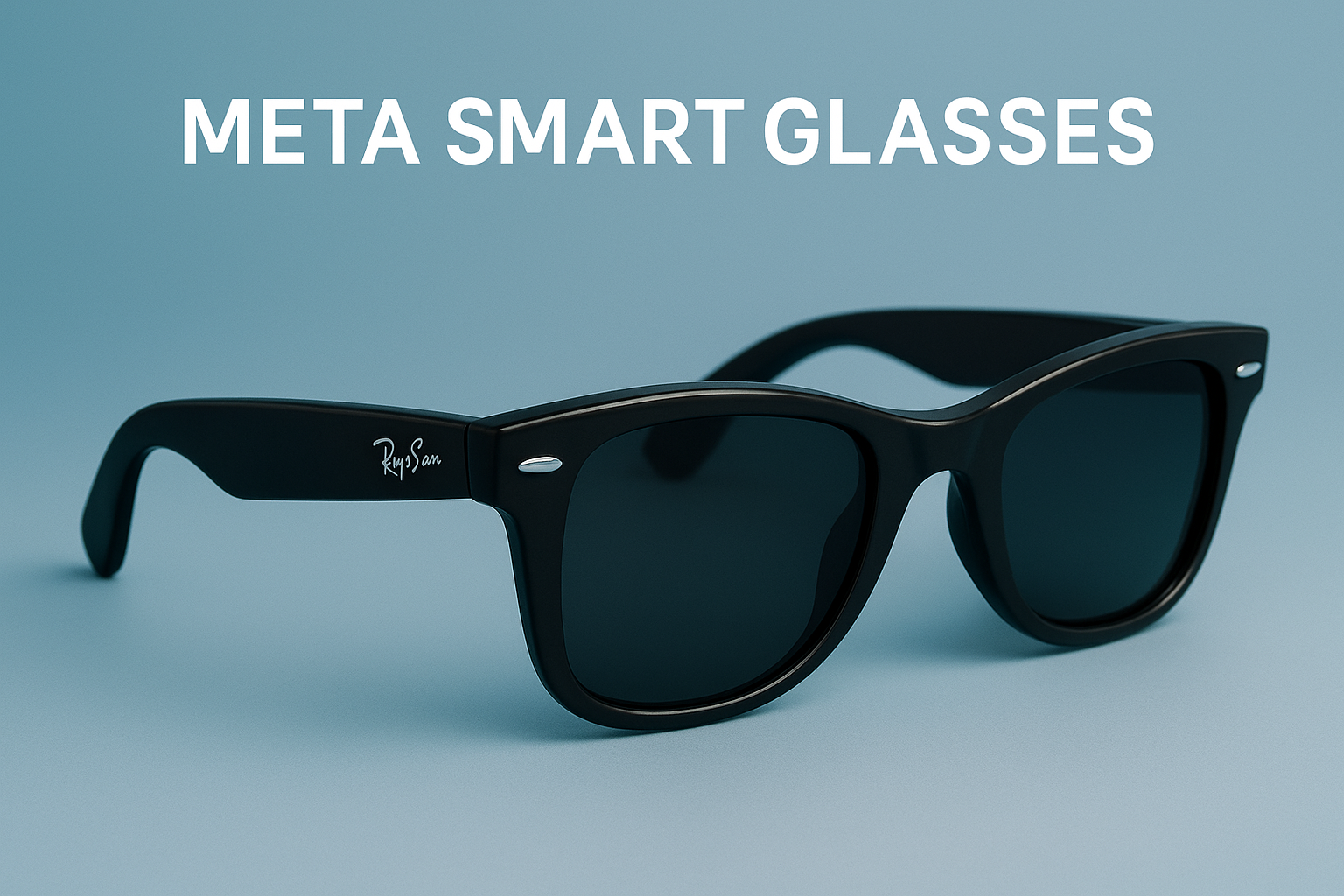
Meta smart glasses are set to redefine the wearable technology market as the company unveils a new range of AI-powered devices. Announced at Meta Connect, the firm’s annual developers conference, these smart glasses demonstrate Meta’s ambition to integrate artificial intelligence into everyday life. Partnering with well-known sunglasses brands Ray-Ban and Oakley, Meta aims to position its devices as essential tech accessories, blending fashion with cutting-edge functionality. The new line includes the Meta Ray-Ban Display, featuring a full-color high-resolution lens, a 12-megapixel camera, and the capability to conduct video calls and send messages directly through the glasses. Alongside this, Meta introduced a neural wristband designed to pair with the Ray-Ban Display, enabling users to perform tasks through small hand gestures, illustrating a unique approach to wearable AI interaction.
While the announcement marks a significant step forward for Meta, the demonstration was not without its challenges. During the presentation, a WhatsApp call to the glasses failed to connect despite repeated attempts, with CEO Mark Zuckerberg candidly admitting, “I keep on messing this up.” Despite these hiccups, the launch demonstrates Meta’s long-term strategy of embedding AI into user experiences, with the firm betting that smart glasses will prove more successful and practical than its multi-billion-dollar Metaverse project. Industry experts suggest that, unlike virtual reality headsets, which can feel cumbersome, glasses offer a non-intrusive, everyday form factor, potentially appealing to a wider audience. The critical challenge, however, remains convincing the majority of consumers who do not currently own AI-enabled glasses that the benefits justify the price.
Sales history and pricing indicate both opportunity and caution for Meta smart glasses. Since entering the market in 2023, Meta is reported to have sold around two million pairs, although the company does not officially disclose figures. The new Ray-Ban Display will retail at approximately £586, representing a significant increase over previous models. Alongside this, Meta unveiled Oakley Meta Vanguard glasses for $499, targeting sports enthusiasts, and a second-generation Ray-Ban Meta model priced at $379. Analysts suggest that while the Ray-Ban brand has historically succeeded due to its affordability and inconspicuous design, higher-priced models will face challenges in gaining widespread adoption. The success of these devices will largely depend on Meta’s ability to clearly communicate the advantages of AI integration and seamless wearable technology to potential users.
Meta’s ambitious rollout of smart glasses is part of a broader strategy to expand its AI capabilities, including substantial investment in AI data centers across the United States. CEO Mark Zuckerberg has outlined plans to spend hundreds of billions of dollars building sprawling infrastructures and hiring top talent to advance what the company terms “superintelligence” AI, which can outthink human beings. These developments reinforce Meta’s vision of AI not just as an experimental technology but as a core component of future user interactions across its platforms, including Facebook, Instagram, and WhatsApp.
However, the launch also occurs amidst ongoing scrutiny over Meta’s products and their potential impact on children. Recent protests and testimony from former Meta safety researchers highlight concerns that the company may not be adequately safeguarding younger users, particularly in relation to its virtual reality offerings. Activists and family members of suicide victims have demanded increased protections, with allegations that Meta instructed researchers to avoid investigating possible harms. The company has denied these claims, describing them as “nonsense,” yet the issues underline the broader responsibility Meta faces as it integrates more immersive and intelligent technologies into everyday life.
Ultimately, the release of Meta smart glasses reflects both the promise and challenges of wearable AI technology. While these devices offer innovative ways to connect, communicate, and interact with digital services, their adoption will rely heavily on usability, affordability, and public trust in Meta’s commitment to user safety. As the market for AI-powered smart accessories grows, Meta’s latest launch could position the company at the forefront of wearable innovation, provided it successfully navigates both technological hurdles and ongoing scrutiny. For business users and consumers alike, understanding the capabilities and implications of Meta smart glasses will be crucial as AI-driven wearables become an increasingly prominent part of daily life.