Why Some Facebook Messenger Messages Are Encrypted and What It Means for Your Business
Facebook Messenger message encryption has become a topic of growing concern for business users navigating digital communication. In today’s fast-paced online environment, understanding why some Facebook Messenger messages are encrypted is crucial for businesses that rely on secure messaging to communicate with clients, partners, and team members. Encryption ensures that the content of messages remains private, readable only by the sender and the intended recipient, and inaccessible to third parties, including Meta itself. While this may seem like a standard security feature, the reasons behind selective encryption in Messenger are more nuanced, reflecting both technological safeguards and regulatory requirements.
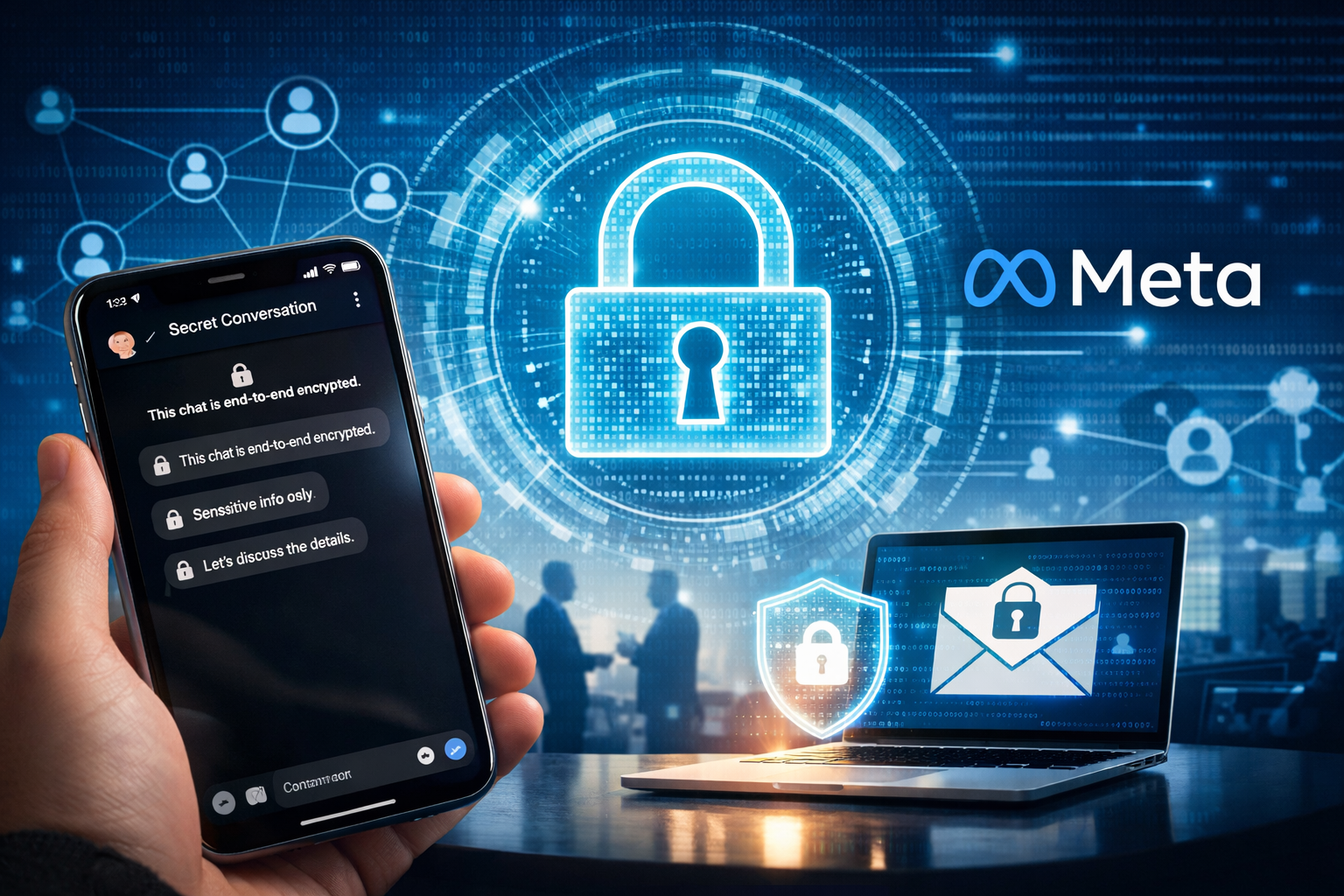
Businesses often encounter situations where certain Messenger messages appear encrypted while others do not. The primary factor is the use of “Secret Conversations,” a feature within Facebook Messenger that provides end-to-end encryption. Unlike standard messages, which are stored on Meta servers and can be accessed under specific conditions, Secret Conversations are fully encrypted from one device to another. This means even Meta cannot read these messages, offering businesses a higher level of security for sensitive discussions, including financial transactions, strategic planning, or confidential client communications. Understanding this distinction is key for business users who need to manage risk while using Messenger as a communication tool.
The importance of Facebook Messenger message encryption for businesses cannot be overstated. In a world where cybercrime and data breaches are increasingly sophisticated, ensuring that communications remain private protects both company reputation and client trust. Businesses should be aware that encryption impacts more than security; it also affects message functionality. For example, encrypted messages in Secret Conversations may have limitations, such as the inability to be forwarded, searched globally, or integrated with third-party apps. While these restrictions may appear inconvenient, they are deliberate design choices to enhance security and prevent potential data leaks, giving business users confidence in the platform’s ability to protect sensitive information.
Furthermore, the rollout of encryption in Messenger aligns with broader global data protection regulations, including GDPR in the UK and EU. By offering end-to-end encryption, Meta ensures that users, including businesses, comply with legal obligations for safeguarding personal data. This proactive approach helps companies avoid potential legal liabilities arising from accidental exposure of client information. Businesses should also recognise that while encryption provides security benefits, it does not eliminate the need for strong internal policies and employee training. Proper handling of encrypted messages, combined with secure device practices, ensures a comprehensive approach to digital communication safety.
In addition to security, Facebook Messenger message encryption also plays a role in fostering trust between businesses and clients. Clients are increasingly aware of online privacy risks and may choose communication channels based on perceived security. Offering encrypted communication demonstrates a company’s commitment to protecting client data and enhancing transparency. Business users should leverage encryption strategically, using Secret Conversations for confidential matters while continuing standard messaging for general interactions. This balance allows businesses to maintain operational efficiency without compromising on security.
For UK businesses, understanding the technical underpinnings of Messenger’s encryption is beneficial. Messages are encrypted using advanced cryptographic protocols that transform readable content into coded information. Only the recipient’s device contains the key to decrypt these messages, making interception virtually impossible. This process underscores the sophistication of Messenger’s platform and highlights why some messages remain encrypted by default in Secret Conversations. Businesses that grasp these mechanisms can better advise their teams, integrate encrypted communication into workflow processes, and avoid potential missteps that compromise message privacy.
In conclusion, Facebook Messenger message encryption is an essential feature for UK businesses seeking secure and compliant communication channels. By understanding the difference between standard messages and encrypted Secret Conversations, companies can protect sensitive information, comply with data protection regulations, and build trust with clients. Encryption should be viewed not as a limitation but as a strategic tool that enhances business communication in a digital world where privacy concerns are paramount. Leveraging Messenger’s encryption capabilities allows businesses to operate confidently, knowing their messages are safeguarded against unauthorized access, reinforcing their professional reputation and security posture in 2026 and beyond.