Brand Rights Protection Enforcement Explained: How Meta’s New Updates Strengthen Brand Safety Tools
Brand Rights Protection enforcement is becoming an essential consideration for UK businesses using Facebook and Instagram. In recent years, Meta has updated its enforcement policies and tools to help companies safeguard their brands, combat counterfeit activity, and report unauthorised use of their intellectual property. Understanding these changes is crucial for businesses that rely on social media to connect with customers, maintain credibility, and protect revenue streams. While Facebook and Instagram are powerful platforms for advertising and community engagement, they are also susceptible to misuse by bad actors. Enhanced enforcement of brand rights ensures that legitimate businesses can act quickly when their trademarks, logos, or branded content are exploited without permission.
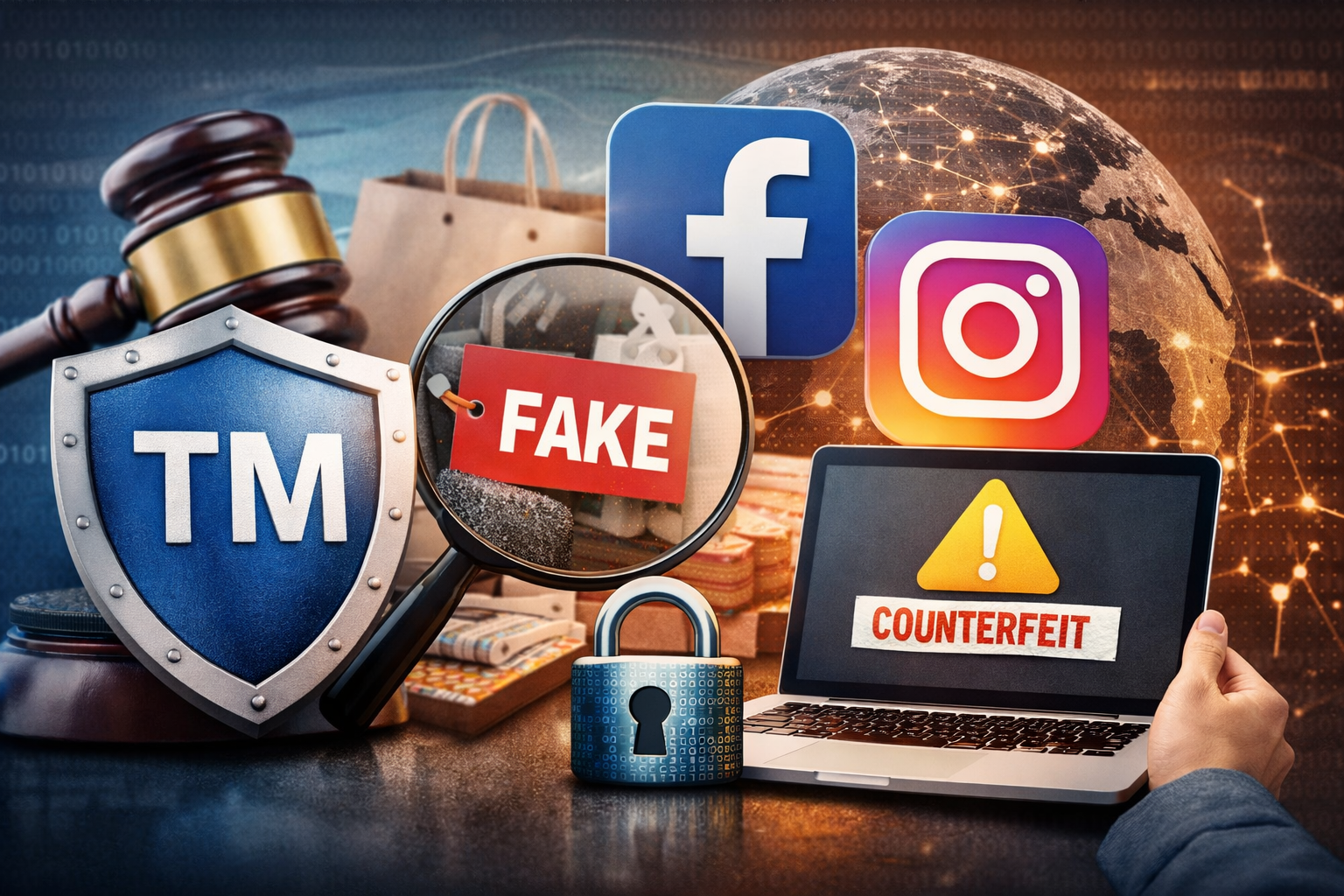
The recent improvements to Meta’s brand rights protection system are designed to make enforcement more efficient and comprehensive. Businesses now have access to clearer reporting channels, automated detection of infringing content, and faster removal of violations. Brand Rights Protection enforcement allows companies to submit claims when their intellectual property is misused, ensuring that counterfeit ads, fake pages, or misleading content do not continue to damage a brand’s reputation. The system works by combining AI-powered detection with human review, providing a balanced approach that aims to minimise errors while maximising protection. This is particularly important for small and medium-sized businesses, which may not have dedicated legal teams to monitor social media activity.
The benefits of robust brand rights protection extend beyond mere legal compliance. Effective Brand Rights Protection enforcement helps businesses build customer trust, maintain consistent messaging, and prevent lost revenue from counterfeit products or fraudulent advertisements. UK businesses, in particular, have faced challenges from international sellers misusing their trademarks on social media. With enhanced enforcement tools, companies can address these issues directly within the Meta ecosystem rather than relying solely on external legal action. The system’s focus on user-friendly reporting and rapid action reduces the burden on businesses while ensuring that enforcement aligns with Meta’s broader commitment to platform safety and integrity.
Meta also provides guidance for best practices in using Brand Rights Protection enforcement effectively. Businesses are advised to maintain clear records of trademarks, registered logos, and relevant marketing materials. Accurate documentation not only speeds up the reporting process but also strengthens claims when addressing misuse. Companies should regularly monitor social media channels for unauthorised use of their intellectual property and respond promptly when issues are identified. This combination of vigilance and strategic reporting maximises the effectiveness of Meta’s enforcement tools, helping brands maintain control of their digital presence and minimise reputational risks.
It is important to note that while Meta’s updates improve enforcement capabilities, businesses still need a strategic approach to brand protection. This includes training marketing teams on recognising potential infringement, setting clear internal policies for social media use, and establishing a point of contact for reporting issues. Brand Rights Protection enforcement is most effective when integrated into a broader brand management strategy that considers both online and offline challenges. For UK businesses, this integrated approach ensures that social media activity aligns with overall brand strategy while protecting against misuse by competitors or counterfeiters.
In conclusion, Brand Rights Protection enforcement is an essential tool for businesses seeking to maintain control over their intellectual property on Facebook and Instagram. Meta’s recent enhancements make the reporting and removal of infringing content faster, more reliable, and more accessible for UK companies. By understanding and utilising these enforcement tools, businesses can safeguard their reputation, maintain customer trust, and prevent revenue loss due to misuse of their trademarks or branded content. Staying proactive, keeping accurate documentation, and integrating enforcement into a comprehensive brand management strategy ensures that companies can fully leverage Meta’s platform while protecting the integrity of their brand in the digital landscape.