Mastering Facebook Performance Marketing for UK Businesses
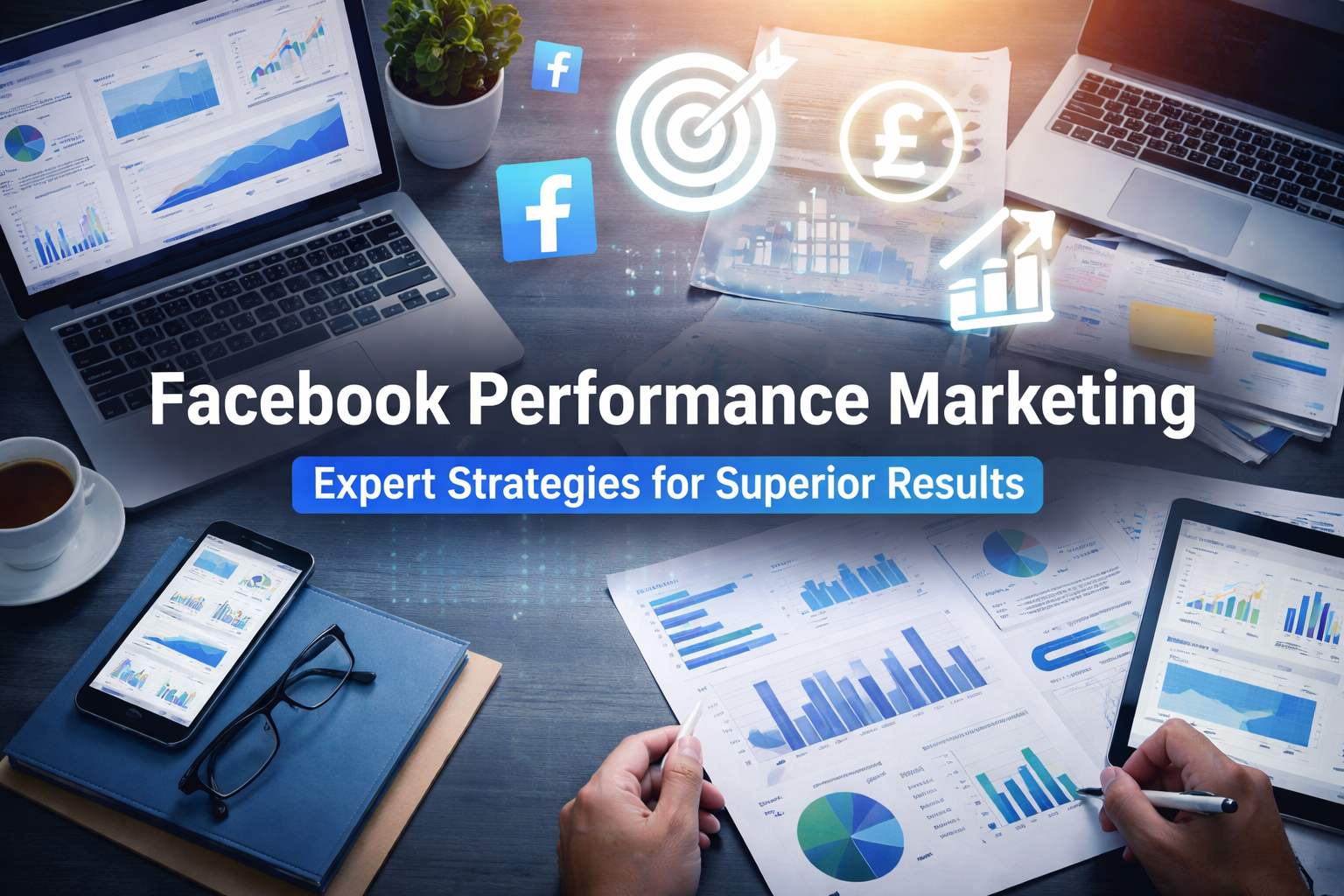
Facebook performance marketing is a crucial discipline for any UK business looking to elevate its digital advertising game on Meta’s platforms, and understanding how to leverage it effectively can be the difference between mediocre results and outstanding return on investment. In today’s competitive landscape, where billions of users scroll on Facebook and Instagram every day, mastering Facebook performance marketing means not just placing ads, but driving measurable business outcomes through continuous optimisation, data integrity, creative excellence, and strategic audience targeting. At its core, Facebook performance marketing is about getting the most out of every pound spent, ensuring that campaigns deliver leads, sales, and growth rather than simply vanity metrics, and that requires an expert-level approach no business can afford to overlook.
From my experience working with advertisers navigating the complexities of Meta’s advertising ecosystem, the first step in successful Facebook performance marketing is understanding the platform’s shift towards automation and AI-driven optimisation, as emphasised in Meta’s own guidance on performance best practices. Meta encourages advertisers to simplify account structures to reduce unnecessary fragmentation, allowing its machine learning systems to learn quickly and deliver efficient outcomes. By consolidating campaigns and limiting changes during the learning phase, marketers improve the chance of lowering cost per action and achieving sustainable performance. This automated learning approach underpins Meta’s full suite of performance tools designed to enhance efficiency and return on ad spend, and brands that ignore this foundational strategy often struggle to scale their campaigns with confidence.
However, strategy goes far beyond structural setup. A defining pillar of Facebook performance marketing is creative diversification. Simply pushing the same static ad or identical message across audiences will not produce consistent results in the long term. To truly maximise performance, businesses must develop a range of ad creatives that speak to different user motivations, pain points, and stages of the customer journey. This experimentation not only helps the algorithm match the right message with the right audience, but it also provides invaluable data on what resonates best, allowing marketers to refine both creative and copy over time. A/B testing remains indispensable here, mustering insights that directly feed into optimisation decisions and campaign enhancements.
Alongside creative strategy, the quality and granularity of data used to inform targeting and measurement cannot be overstated. For many businesses using Facebook performance marketing, integrating tools like the Meta Conversions API and pixel tracking is vital to create a reliable data foundation that can be used to understand customer actions, refine targeting, and attribute conversions accurately. High‑quality data ensures that the machine learning models that power ad delivery are working with the best possible signals, which in turn improves both reach and conversion efficiency. Without this, many advertisers fall into the trap of chasing clicks or impressions that don’t translate into tangible business results.
A common challenge I see among businesses new to Facebook performance marketing is a rush to switch off underperforming ads before the algorithm has had time to learn. Patience is a strategic virtue in performance marketing; newly launched campaigns often need a few days of optimisation before patterns emerge and performance stabilises. Reacting too quickly to early fluctuations can reset the learning phase and cause long‑term inefficiencies, ultimately raising costs rather than lowering them. Understanding this fundamental behaviour of Meta’s systems allows expert advertisers to make better decisions about budget pacing and optimisation timing. Equally, reading beyond surface metrics and focusing on deeper KPIs like cost per conversion, return on ad spend and customer lifetime value ensures your strategy remains aligned with business goals rather than short‑term vanity wins.
Targeting strategies in Facebook performance marketing have also evolved significantly. Options such as lookalike audiences where the platform identifies users similar in behaviour and characteristics to existing high‑value customers are particularly powerful tools for scaling performance. By building and nurturing these custom or lookalike segments, advertisers can expand reach to audiences most likely to engage and convert, thereby increasing the efficiency of campaign spend. This is especially relevant for UK businesses aiming to grow beyond their immediate customer base while maintaining relevance and performance.
Yet UK advertisers must also remain mindful of external market dynamics. Platforms like TikTok have seen rapid growth that affects audience behaviour and advertising dynamics, and competitors are continually innovating to capture attention and ad spend. Facebook performance marketing must therefore be seen as part of a broader digital strategy, where cross‑platform insights inform pacing, messaging and budget allocation decisions. Staying abreast of these changes ensures that campaigns remain competitive, relevant and capable of capturing attention where it matters most.
In conclusion, Facebook performance marketing is not a set‑and‑forget approach; it’s an ongoing strategic discipline that blends careful planning, deep data analysis, creative experimentation and adaptive optimisation. Businesses that commit to this level of performance focus will see not only improved immediate results in terms of conversions and ROI, but also long‑term benefits such as better audience insights and more resilient campaign structures. Whether you’re managing a small local campaign or scaling a national brand across multiple audiences, embracing the core principles of performance marketing on Facebook will drive better business outcomes and ensure your paid media strategy truly delivers value. Mastering this domain positions UK businesses to outpace competitors, extract more from their advertising budgets and build sustainable digital growth.