Private Facebook Profile Viewer Explained For Business Users
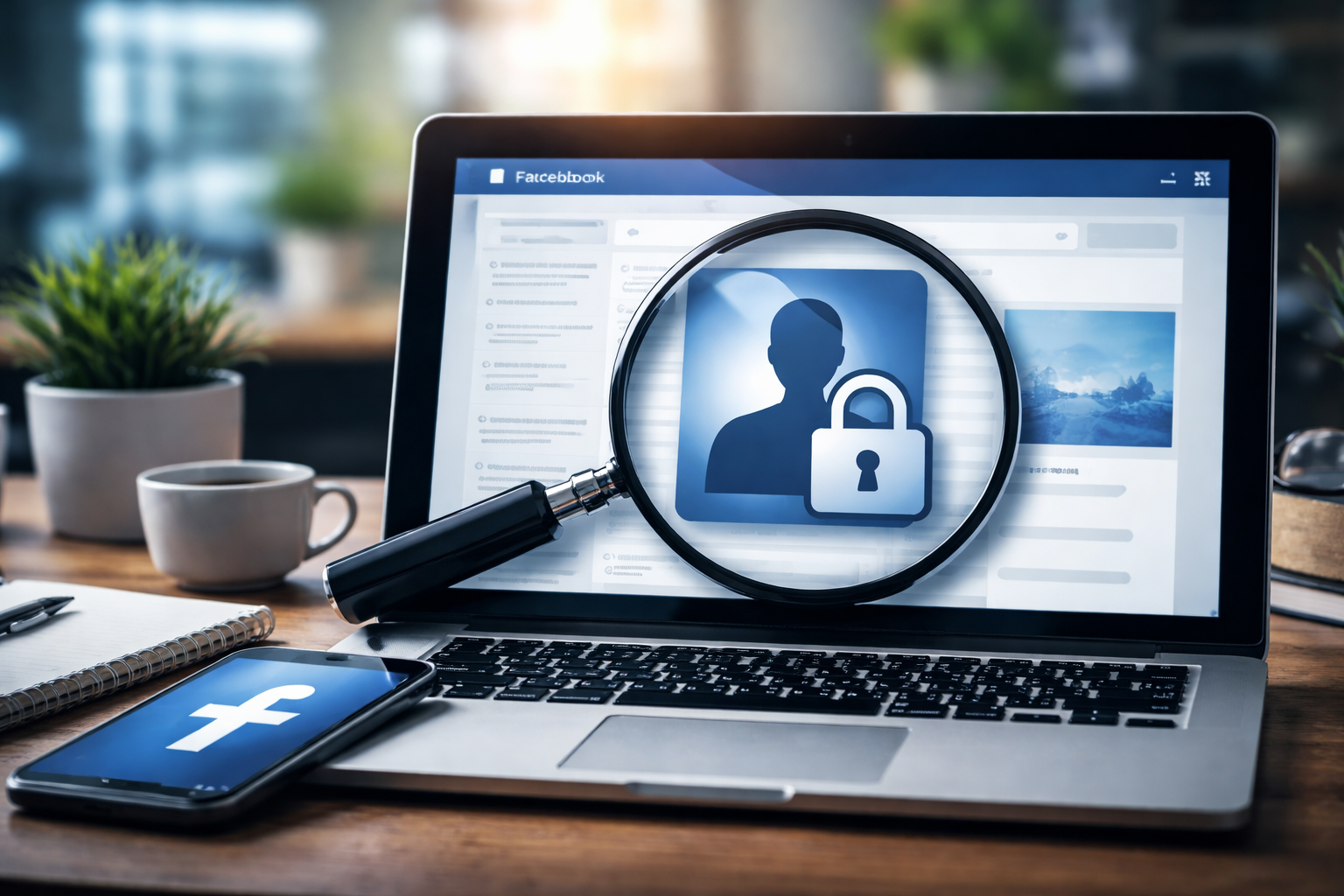
If you search online for a private Facebook profile viewer, you will find hundreds of websites claiming to unlock hidden profiles, reveal private photos, or bypass Facebook’s privacy settings. For UK business users managing pages, running ads, or conducting competitor research, this topic often comes up out of frustration rather than curiosity. When information is hidden behind privacy controls, it can feel like Facebook is deliberately blocking insight that might otherwise be useful for commercial decision-making. As someone who works closely with Meta platforms and regularly supports businesses struggling with Facebook limitations, it is important to be very clear from the outset: the concept of a legitimate private Facebook profile viewer does not exist, and understanding why is essential for protecting your business, data, and reputation.
Facebook’s privacy model is built on strict access controls that separate public content from private, user-approved information. When a profile is set to private, only confirmed friends or specific audience groups can view posts, photos, friends lists, or activity. This is enforced at server level, not just within the Facebook app interface. Any private Facebook profile viewer that claims to bypass this system would require unauthorised access to Meta’s internal infrastructure, something that would represent a major global security breach. No third-party website, browser extension, or mobile app has this capability, regardless of how convincing their marketing appears.
Many of the sites ranking highly for private Facebook profile viewer searches rely on misleading tactics to generate traffic and revenue. Some present fake loading screens that simulate “scanning” a target profile, while others ask users to complete surveys, install software, or provide Facebook login details. From a cybersecurity and compliance standpoint, these tools pose serious risks to UK businesses. Entering credentials into third-party platforms can lead to account compromise, unauthorised ad spend, loss of page ownership, or permanent account restrictions under Meta’s Terms of Service. Once an account is flagged for suspicious behaviour, recovery through Facebook support is often slow or unsuccessful, particularly for smaller businesses without dedicated account managers.
From an SEO and digital strategy perspective, it is also worth understanding why competitors rank highly for keywords like private Facebook profile viewer. These sites typically use aggressive keyword targeting, long-form content filled with variations of the phrase, and sensational claims designed to capture clicks. However, ranking does not equal legitimacy. Google’s results often reflect search demand rather than factual accuracy, especially in areas where misinformation is widespread. For a UK-based support platform like fixfb.co.uk, the opportunity lies in providing authoritative, transparent information that answers the real question users have: is there a safe, legal way to view private Facebook profiles, and if not, what are the alternatives?
The honest answer is that there is no ethical or lawful method to view a private Facebook profile without permission. Meta’s systems are designed specifically to prevent this. Attempting to circumvent privacy settings violates Facebook’s Community Standards and Platform Policies, and businesses found engaging in such behaviour risk losing access to advertising accounts, business managers, and connected Instagram profiles. This is particularly damaging for UK companies that rely on Meta ads for lead generation, e-commerce, or brand visibility.
That said, there are legitimate ways businesses can gain insights without resorting to so-called private Facebook profile viewer tools. Public profiles, business pages, and groups provide a wealth of information when used correctly. Many users who keep personal profiles private still interact publicly through comments on pages, participation in groups, or reactions to posts. Facebook’s ad transparency tools, Page Transparency sections, and Meta Ad Library allow businesses to analyse competitor messaging, creative strategies, and campaign activity without breaching privacy rules. These tools are underused but fully compliant and far more reliable than anything promising private access.
Another important consideration is data protection and UK GDPR compliance. Any service claiming to extract private user data without consent would inherently conflict with UK data protection laws. Businesses using or benefiting from such data could be exposed to regulatory scrutiny, fines, and reputational harm. For companies operating in regulated industries or handling customer data, even indirect involvement with a private Facebook profile viewer service can raise serious compliance concerns. Maintaining ethical data practices is not only a legal requirement but also a trust signal to customers and partners.
The continued popularity of private Facebook profile viewer searches highlights a deeper issue with Meta’s support ecosystem. Businesses often feel blocked, ignored, or under-informed when trying to understand audiences or resolve account problems. This gap in support is what drives users towards unreliable third-party solutions. At fixfb.co.uk, the focus is on bridging that gap by explaining how Facebook actually works, what is and is not possible, and how businesses can adapt their strategies accordingly. Clear knowledge reduces risk and helps businesses make decisions based on reality rather than marketing hype.
In conclusion, while the term private Facebook profile viewer is widely searched and heavily monetised, it represents a myth rather than a functional tool. No legitimate service can reveal private Facebook profiles, and any platform claiming otherwise should be treated as a potential threat to your business security. UK businesses are far better served by using Meta-approved tools, focusing on public data, and building ethical digital strategies that align with Facebook’s policies. Understanding the limitations of privacy on Facebook is not a disadvantage; it is a safeguard. By recognising that a private Facebook profile viewer does not exist, businesses can avoid costly mistakes and focus on sustainable, compliant growth instead.