Paid Social Platforms Trends and Growing Acceptance Explained
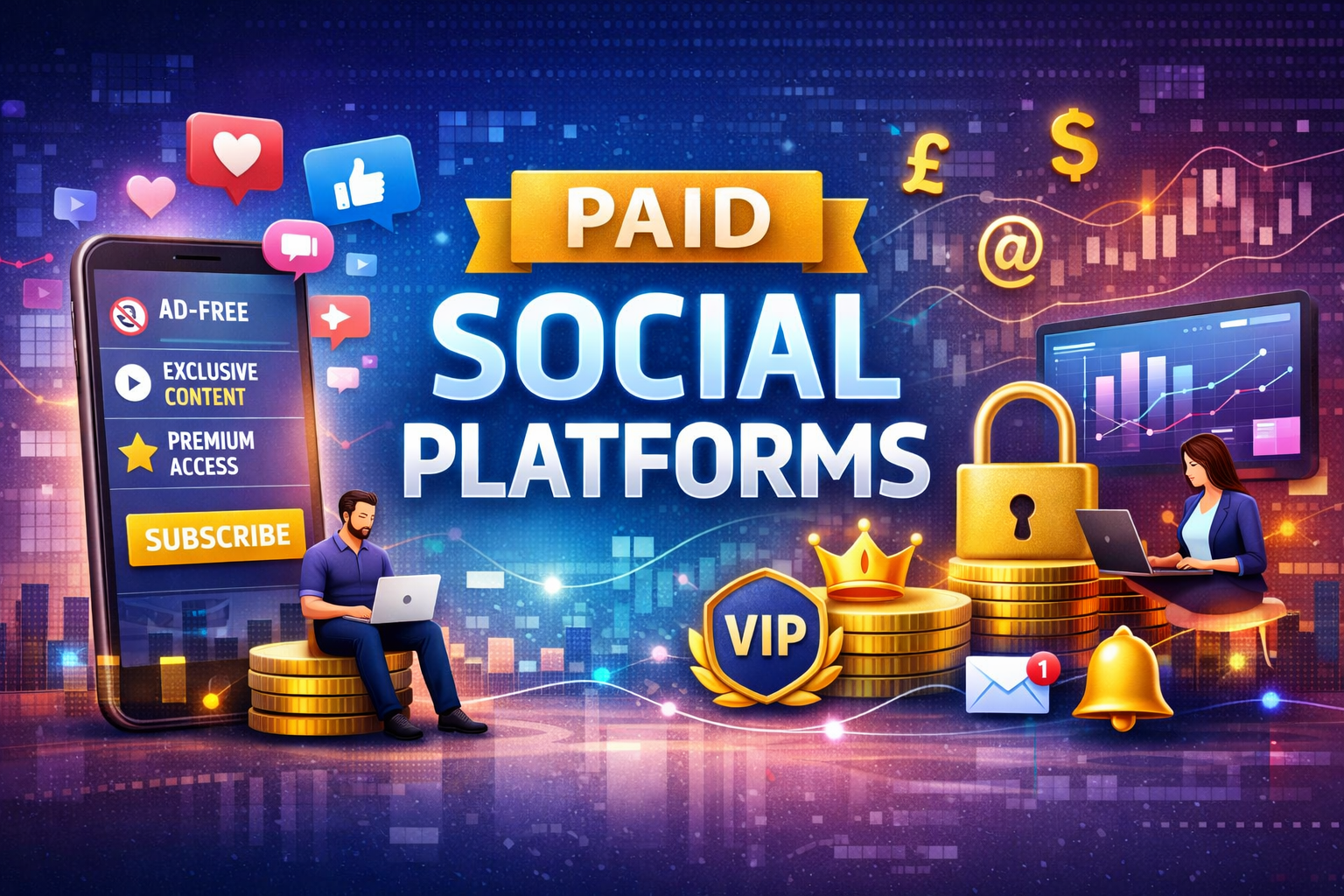
Paid social platforms are steadily gaining traction, reshaping how businesses and users interact online. For many years, social media has been synonymous with free access, supported primarily through advertising revenue. However, the landscape is shifting as more platforms explore subscription models, offering exclusive content, advanced features, and ad-free experiences. Understanding these paid social platforms is essential for business users looking to maximise engagement, retain audiences, and stay ahead of competitors who are already experimenting with subscription-based strategies.
The growing acceptance of paid social platforms is largely driven by user demand for enhanced experiences. Consumers are increasingly frustrated by ads, algorithm-driven feeds, and privacy concerns. Platforms that offer paid tiers can address these issues directly, giving users a more controlled and personalised experience. For businesses, this shift presents both opportunities and challenges. Paid social platforms offer a higher-quality audience, often more engaged and invested in the platform’s content. This means that paid campaigns, sponsored posts, or branded content may achieve better visibility and interaction rates compared to traditional free-tier platforms saturated with low-engagement traffic.
One of the key trends in paid social platforms is the diversification of subscription options. Leading platforms are experimenting with tiered pricing, micro-subscriptions, and creator-focused memberships. This allows businesses to target specific audience segments with tailored campaigns. For example, premium tiers may offer early access to content, exclusive promotional tools, or enhanced analytics for advertisers. Understanding these variations can help business users select the right platform and subscription model to align with their marketing objectives. Furthermore, adopting these paid platforms early can provide a competitive edge, positioning a company as forward-thinking and responsive to evolving digital behaviours.
Paid social platforms also influence content strategy. Unlike free platforms, where engagement is driven by algorithms, subscribers on paid tiers often value high-quality, relevant content. Businesses can leverage this by creating exclusive offers, behind-the-scenes insights, or interactive experiences that deepen customer loyalty. For marketers, this approach requires a shift from mass-targeted campaigns to more personalised content strategies, focusing on delivering value and building meaningful relationships with audiences. Moreover, paid platforms often provide better data and analytics, enabling businesses to refine strategies and optimise campaigns with precision that is not always possible on free-tier services.
Monetisation is another compelling aspect of paid social platforms. For creators and businesses alike, subscription-based access opens new revenue streams beyond traditional advertising. Brands can explore partnerships, premium content offerings, or membership perks that directly contribute to their bottom line. In addition, these platforms are likely to see continued growth as consumer expectations evolve. Businesses that ignore the trend risk falling behind competitors who are already harnessing the benefits of these monetised digital environments.
Adoption of paid social platforms also comes with considerations regarding cost, platform reputation, and audience behaviour. Businesses must weigh subscription fees against potential ROI and engagement benefits. Understanding which platforms resonate with target demographics is critical. Research shows that users are more willing to pay for platforms that deliver tangible value, such as ad-free browsing, early access to content, or enhanced networking opportunities. Therefore, careful planning and continuous monitoring of paid social strategies are necessary for achieving long-term success.
In conclusion, paid social platforms are no longer a niche experiment they represent a growing shift in how digital audiences engage with content. For business users, embracing these platforms provides an opportunity to reach more engaged audiences, deliver higher-quality experiences, and explore new revenue models. By understanding trends, subscription options, and content strategies associated with paid social platforms, companies can position themselves ahead of competitors, maximise engagement, and navigate the evolving social media landscape with confidence. As acceptance of paid platforms continues to rise, businesses that proactively integrate these strategies will likely see measurable benefits in audience loyalty, campaign performance, and overall digital presence.