Meta Layoffs 2026: Timeline and Business Impact
Understanding the Meta Layoffs 2026 Timeline and Business Impact for Advertisers
Meta layoffs 2026 have quickly become a critical topic for businesses that rely on Facebook and Instagram for growth, customer acquisition, and advertising performance. As reports confirm that Meta is planning a structured wave of job cuts beginning in May 2026, followed by additional reductions later in the year, the implications extend far beyond internal restructuring. For UK businesses and global advertisers alike, understanding the Meta layoffs 2026 timeline and business impact is essential for navigating potential disruptions, adapting strategies, and maintaining performance in an increasingly unpredictable digital ecosystem.
Meta’s decision to initiate layoffs reflects broader pressures across the tech industry, including rising operational costs, investor expectations for efficiency, and the ongoing shift towards artificial intelligence-driven infrastructure. The Meta layoffs 2026 timeline and business impact suggest a phased approach rather than a single large-scale cut, indicating a strategic restructuring rather than reactive downsizing. For businesses, this distinction matters because it points to long-term changes in how Meta operates its platforms, rather than a short-term adjustment that will quickly stabilise.
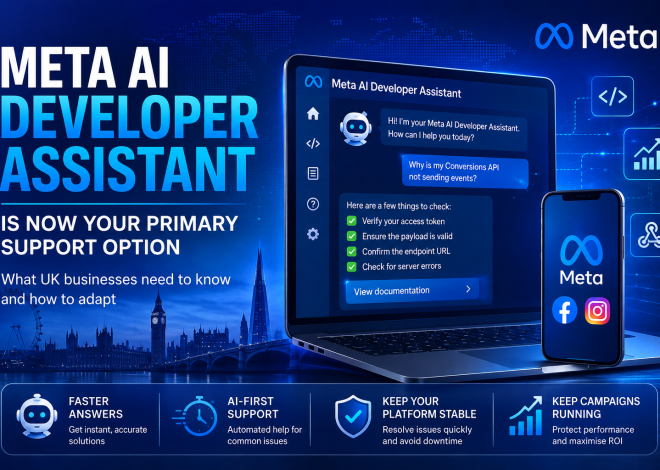
One of the most immediate concerns surrounding the Meta layoffs 2026 timeline and business impact is the potential effect on customer support. Many business users already face challenges when trying to resolve issues with ad accounts, page restrictions, or billing errors. With workforce reductions, particularly in support and operations teams, response times may increase further, and access to human assistance could become even more limited. This creates a scenario where businesses must become more self-reliant, developing a deeper understanding of platform policies and preventative measures to avoid disruptions.
Another important consideration tied to the Meta layoffs 2026 timeline and business impact is advertising performance and platform stability. While layoffs do not directly affect ad delivery systems, they can influence the teams responsible for maintaining and optimising these systems. Businesses may notice slower resolution of technical glitches or inconsistencies in reporting. These issues can impact campaign performance, especially for companies that rely heavily on real-time data to make decisions.
The Meta layoffs 2026 timeline and business impact also connect with the company’s increasing investment in artificial intelligence. As Meta shifts resources towards AI development, some roles may be replaced or restructured to support automation. For businesses, this means that advertising tools and algorithms are likely to evolve rapidly. While this could eventually lead to more efficient targeting, the transition period may introduce volatility that advertisers need to monitor closely.
From a strategic perspective, the Meta layoffs 2026 timeline and business impact reinforce the importance of platform independence. Businesses that rely exclusively on Facebook or Instagram for lead generation are particularly vulnerable to disruptions caused by internal changes at Meta. A more resilient approach involves building a multi-channel strategy that includes email marketing, search engine optimisation, and alternative social platforms to reduce risk.
Financial planning is another area where the Meta layoffs 2026 timeline and business impact becomes highly relevant. Changes within Meta could influence advertising costs through shifts in competition or algorithm adjustments. Businesses should monitor their return on ad spend carefully and be prepared to adjust budgets accordingly while testing new channels to maintain consistent performance.
In conclusion, the Meta layoffs 2026 timeline and business impact represents a meaningful shift in the digital marketing environment. While the immediate effects may include reduced support and evolving advertising tools, the long-term implications point towards a more automated ecosystem. Businesses that adapt quickly and diversify their strategies will be better positioned to navigate these changes and remain competitive.