WhatsApp Plus Subscription Adds Premium Messaging Features
WhatsApp Plus Subscription is Reshaping How Businesses Unlock Premium Messaging Tools and Advanced Customer Engagement Features:
The WhatsApp Plus subscription is emerging as a significant development in the evolving ecosystem of Meta’s messaging platforms, signalling a shift towards monetisation strategies that directly impact business users. As Meta continues to refine its revenue streams beyond traditional advertising, the introduction of a WhatsApp Plus subscription reflects a broader push to offer enhanced, paid features that cater to both power users and businesses seeking more sophisticated communication tools. For companies that rely heavily on WhatsApp as a customer engagement channel, understanding how the WhatsApp Plus subscription could reshape messaging capabilities is essential for staying competitive in an increasingly platform-driven digital environment.
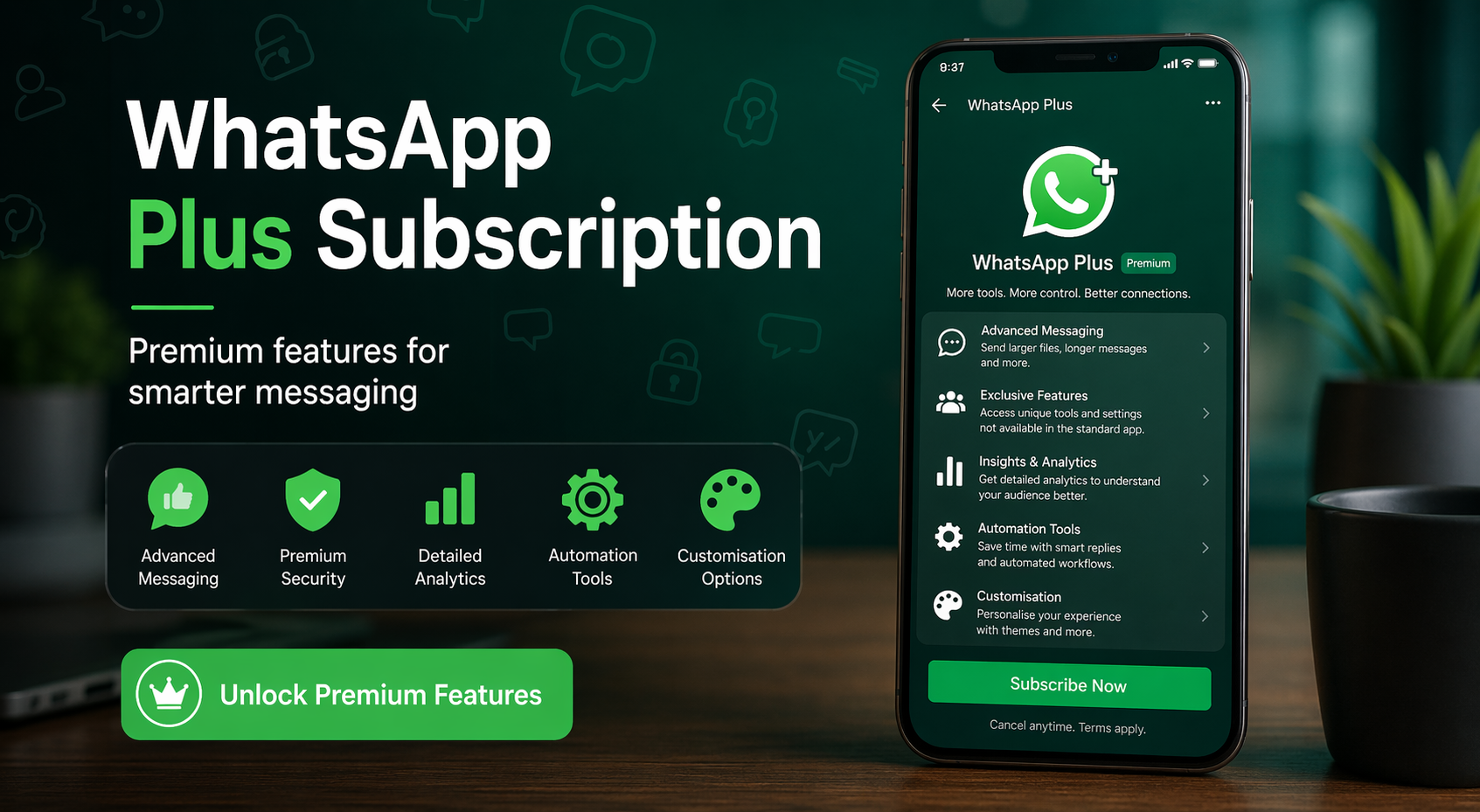
At its core, the WhatsApp Plus subscription appears to focus on unlocking premium features that go beyond the standard functionality currently available on WhatsApp. While WhatsApp has historically maintained a relatively simple, user-friendly interface with limited monetisation, this new subscription model suggests a more layered approach where advanced tools, customisation options, and potentially exclusive features are placed behind a paywall. For business users, this could translate into enhanced branding opportunities, improved automation capabilities, and deeper insights into customer interactions, all of which are critical for scaling communication strategies effectively.
One of the key implications of the WhatsApp Plus subscription is the potential introduction of advanced messaging tools designed to improve efficiency and engagement. Businesses often face limitations when using the standard WhatsApp Business platform, particularly in areas such as bulk messaging, analytics, and integration with other systems. A subscription-based tier could address these gaps by offering more robust solutions, enabling businesses to manage conversations at scale while maintaining a personalised approach. This is particularly relevant for small and medium-sized enterprises that rely on WhatsApp as a primary communication channel but lack access to enterprise-level tools.
In addition to functional enhancements, the WhatsApp Plus subscription may also introduce greater levels of customisation. Branding is a crucial aspect of digital communication, and the ability to tailor messaging interfaces, automate responses, and create a more cohesive brand presence within WhatsApp could provide a significant advantage. For businesses competing in crowded markets, even small improvements in how they present themselves to customers can influence engagement rates and customer loyalty. As such, a premium subscription offering that prioritises customisation could quickly become an attractive investment.
Another important aspect to consider is how the WhatsApp Plus subscription fits into Meta’s broader strategy. Over the past few years, Meta has been actively exploring new ways to monetise its platforms, particularly as privacy changes and regulatory pressures impact traditional advertising models. By introducing subscription-based features within WhatsApp, Meta is effectively diversifying its revenue streams while also encouraging businesses to invest more deeply in its ecosystem. This aligns with similar moves seen across other platforms, where premium tiers provide additional value in exchange for recurring payments.
For business users, however, the introduction of a WhatsApp Plus subscription raises important questions about cost versus value. While premium features can offer significant advantages, they also require careful evaluation to ensure they deliver a return on investment. Businesses will need to assess whether the additional tools and capabilities justify the subscription fee, particularly in comparison to alternative communication platforms or third-party solutions. This is where a strategic approach becomes essential, as adopting new features without a clear plan can lead to unnecessary expenses without tangible benefits.
The timing of the WhatsApp Plus subscription is also noteworthy, as it coincides with increasing competition in the messaging and customer communication space. Platforms such as Telegram, Signal, and various customer relationship management tools are continually evolving, offering businesses a range of options for engaging with their audiences. By introducing a premium subscription, Meta is not only enhancing WhatsApp’s functionality but also reinforcing its position as a leading platform for business communication. This competitive dynamic is likely to drive further innovation, ultimately benefiting users through improved features and capabilities.
From a user experience perspective, the WhatsApp Plus subscription could also lead to a more segmented platform where different tiers of users have access to varying levels of functionality. While this can create opportunities for enhanced features, it also introduces complexity that may affect how users interact with the platform. Businesses will need to navigate these changes carefully, ensuring that their communication strategies remain consistent and accessible to all customers, regardless of whether they are using standard or premium versions of WhatsApp.
Security and privacy considerations are another critical factor in the discussion around the WhatsApp Plus subscription. WhatsApp has long positioned itself as a secure messaging platform with end-to-end encryption, and any new features introduced through a subscription model will need to maintain these standards. For businesses handling sensitive customer information, trust is paramount, and any perceived compromise in security could have significant repercussions. As such, Meta’s approach to integrating premium features while preserving privacy will be closely scrutinised by both users and regulators.
Looking ahead, the WhatsApp Plus subscription could pave the way for further innovations within the platform. As Meta gathers feedback and data from early adopters, it is likely to refine and expand the subscription offering, potentially introducing additional features that cater to specific industries or use cases. For example, e-commerce businesses may benefit from enhanced product catalogues and payment integrations, while service-based companies could gain access to more advanced booking and scheduling tools. This iterative approach is characteristic of Meta’s development strategy and suggests that the WhatsApp Plus subscription is only the beginning of a broader transformation.
For businesses seeking to optimise their use of WhatsApp, staying informed about developments such as the WhatsApp Plus subscription is crucial. The platform’s role in customer communication continues to grow, and new features can significantly impact how businesses interact with their audiences. By understanding the potential benefits and limitations of a subscription-based model, companies can make informed decisions that align with their overall digital strategy.
In conclusion, the WhatsApp Plus subscription represents a notable shift in how Meta approaches monetisation and feature development within its messaging platforms. By offering premium tools and capabilities, Meta is creating new opportunities for businesses to enhance their communication strategies while also establishing a more sustainable revenue model. For business users, the key will be to evaluate the value of these features in the context of their specific needs, ensuring that any investment in the WhatsApp Plus subscription delivers measurable results. As the platform continues to evolve, those who adapt early and strategically are likely to gain a competitive edge in an increasingly digital-first marketplace.