Meta Enhances Ad Attribution and Targeting for Better Campaign Success
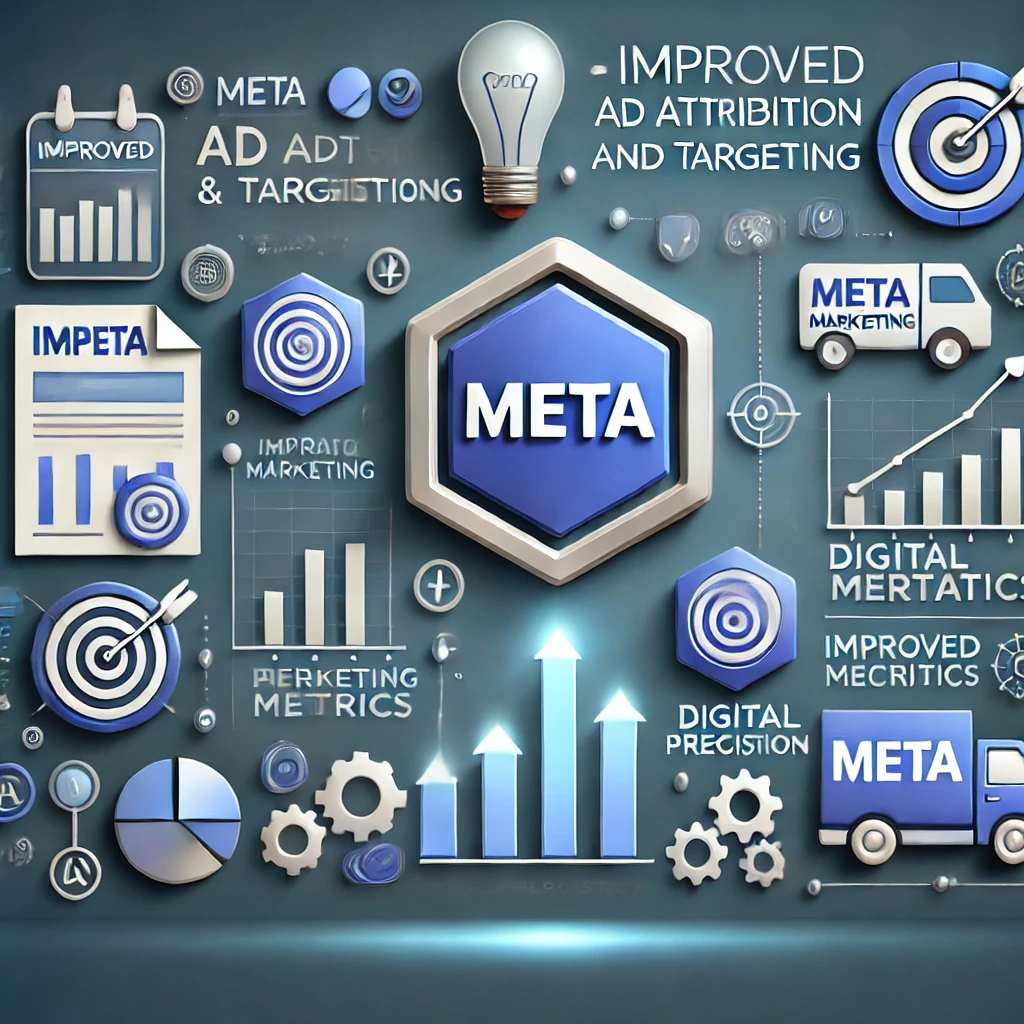
Meta has recently announced a significant enhancement to its ad attribution and targeting processes. This development comes as part of Meta’s ongoing efforts to provide businesses with more accurate insights and better tools for reaching their target audiences. As digital advertising continues to evolve, these improvements are set to play a crucial role in helping businesses optimise their marketing strategies and achieve higher returns on investment. In this article, we will delve into the details of Meta’s improved ad attribution and targeting processes, the benefits for businesses, and the broader implications for digital marketing.
Understanding Ad Attribution and Targeting
What Is Ad Attribution?
Ad attribution is the process of determining which marketing actions or channels contributed to a conversion, such as a purchase, sign-up, or download. In digital marketing, accurate attribution is essential for understanding the effectiveness of different advertising efforts. It allows businesses to allocate their budgets more efficiently by focusing on the channels that deliver the best results.
What Is Ad Targeting?
Ad targeting refers to the methods and strategies used by advertisers to reach specific audiences based on various factors such as demographics, interests, behaviours, and location. Effective ad targeting ensures that marketing messages are delivered to the most relevant audiences, increasing the likelihood of engagement and conversions.
Meta’s Improved Ad Attribution Processes
Enhanced Data Integration
Meta’s improved ad attribution processes involve enhanced data integration, allowing for more comprehensive tracking of user interactions across multiple platforms and devices. By consolidating data from Facebook, Instagram, Messenger, and other Meta-owned properties, businesses can gain a more holistic view of their customers’ journeys. This integration enables more accurate attribution by identifying the key touchpoints that lead to conversions.
Advanced Machine Learning Models
Meta has introduced advanced machine learning models to refine its attribution algorithms. These models are designed to better understand user behavior and predict the likelihood of conversions based on various factors. By leveraging these models, businesses can achieve more accurate attribution, even in complex customer journeys that involve multiple touchpoints.
Cross-Platform Attribution
One of the standout features of Meta’s improved ad attribution is the ability to track conversions across different platforms. For example, a user might interact with an ad on Instagram, but complete a purchase on Facebook. Meta’s new attribution model can accurately attribute the conversion to the correct ad and platform, providing businesses with more precise insights into the effectiveness of their campaigns.
Meta’s Enhanced Ad Targeting Processes
Improved Audience Segmentation
Meta’s enhanced ad targeting processes include improved audience segmentation capabilities. Businesses can now create more granular audience segments based on a wider range of factors, including user behaviors, interests, and engagement history. This level of segmentation allows for more personalised and relevant ad experiences, increasing the chances of engagement and conversion.
Dynamic Creative Optimisation
Another key feature of Meta’s enhanced targeting is dynamic creative optimisation (DCO). DCO allows advertisers to automatically tailor ad creatives based on the characteristics of the target audience. For example, the same ad might display different images or messages to different users, depending on their preferences and behavioUrs. This level of personalisation helps businesses deliver more relevant ads, leading to higher engagement rates.
Privacy-First Targeting
In response to growing concerns about data privacy, Meta has implemented privacy-first targeting methods that comply with the latest regulations, such as the General Data Protection Regulation (GDPR) and the California Consumer Privacy Act (CCPA). These methods ensure that businesses can still target their audiences effectively while respecting user privacy and maintaining compliance with legal standards.
Benefits of Meta’s Improved Ad Attribution and Targeting
Increased ROI
With more accurate ad attribution and refined targeting, businesses can optimise their marketing budgets by focusing on the channels and audiences that deliver the highest returns. This leads to increased ROI, as businesses can allocate their resources more effectively.
Better Campaign Performance
The ability to accurately attribute conversions and target specific audiences with personalised ads leads to improved campaign performance. Businesses can expect higher engagement rates, better click-through rates (CTR), and increased conversions as a result of Meta’s enhanced processes.
Enhanced Customer Insights
Meta’s improved attribution and targeting provide businesses with deeper insights into customer behaviour. By understanding how users interact with ads across different platforms and devices, businesses can tailor their marketing strategies to better meet the needs and preferences of their target audiences.
Compliance with Privacy Regulations
Meta’s privacy-first targeting methods ensure that businesses can continue to reach their audiences while staying compliant with data privacy regulations. This not only protects businesses from legal risks but also helps build trust with their customers.
Implications for Digital Marketing
Shifting Focus to Data-Driven Strategies
As Meta’s improved ad attribution and targeting processes provide more accurate insights, businesses will increasingly shift their focus towards data-driven marketing strategies. This means relying more on analytics and insights to guide decision-making and less on traditional marketing intuition.
Adapting to Privacy-First Targeting
With privacy becoming a central concern in digital marketing, businesses will need to adapt to the new privacy-first targeting methods introduced by Meta. This may involve rethinking how data is collected, processed, and used in advertising campaigns.
Emphasising Personalisation in Advertising
The enhanced targeting capabilities offered by Meta will encourage businesses to place a greater emphasis on personalisation in their advertising efforts. By delivering more relevant and tailored ads, businesses can improve customer engagement and drive better results.
Meta’s announcement of improved ad attribution and targeting processes represents a significant advancement in digital marketing. By providing businesses with more accurate insights, better targeting capabilities, and privacy-first solutions, Meta is helping advertisers optimise their campaigns and achieve greater success. As these new processes take effect, businesses should be prepared to adapt their strategies and embrace the opportunities presented by Meta’s enhanced tools.