Facebook Reels Copyright Checks Expanded: Meta’s New Content Protection Measures
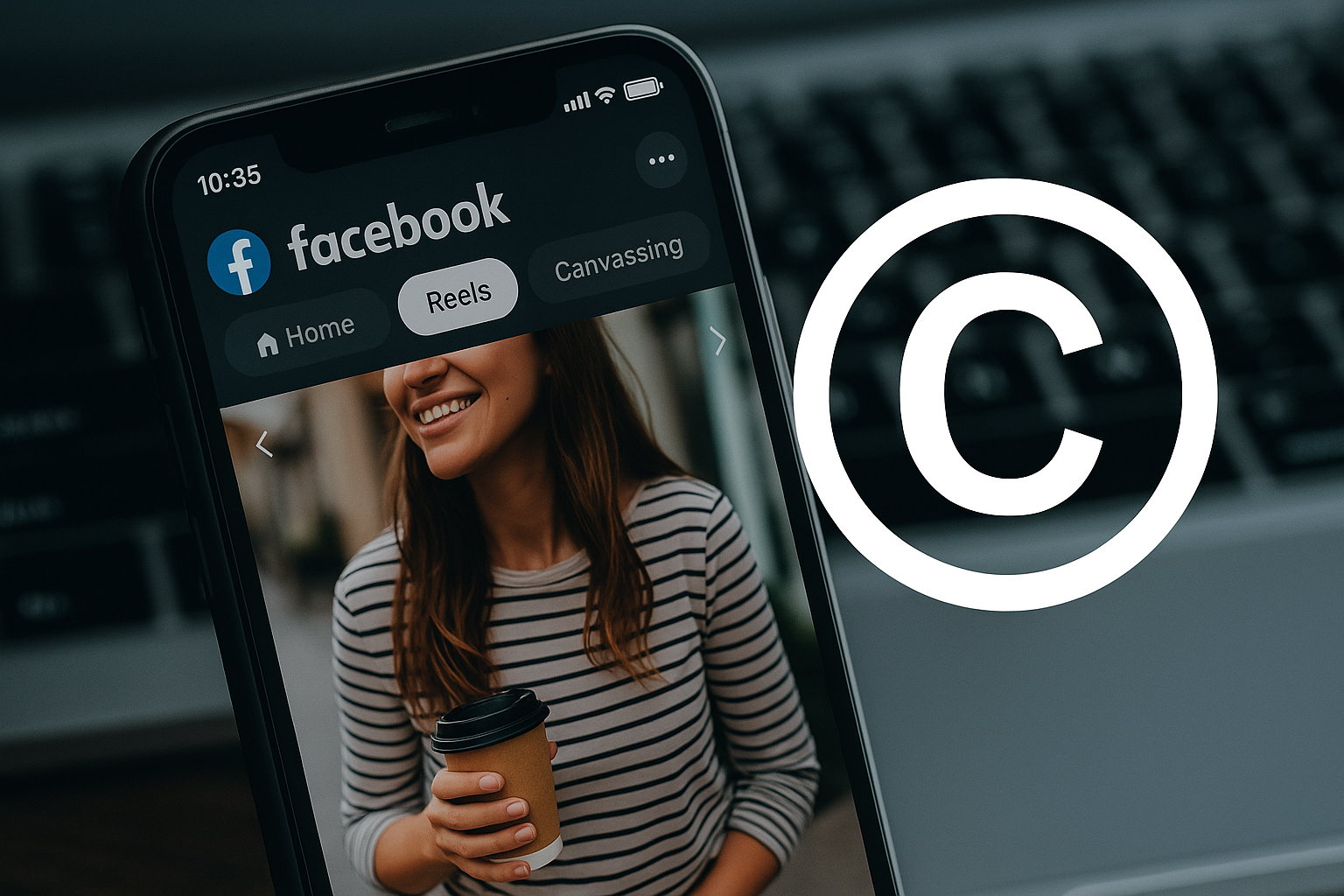
Meta’s expansion of Facebook Reels copyright checks marks a significant step in protecting the work of all creators, brands, and businesses using short-form video to engage their communities. With the growing popularity of Reels, safeguarding original content has never been more crucial. Meta’s improved tools promise stronger defences against misuse, unauthorised copying, and unfair monetisation, offering more reassurance for those investing time, effort, and creativity into producing original videos.
Creators and businesses alike have long grappled with the challenge of keeping their unique content safe on platforms like Facebook and Instagram. While Reels are brilliant for reach and engagement, they also make it easy for others to lift, reuse, or remix material without permission. Meta’s updated Facebook Reels copyright checks use its Rights Manager tool to tackle this problem directly. Originally designed to protect music, images, and video, Rights Manager now includes expanded features for Reels, scanning uploads automatically to find matches with copyrighted material.
This means that any individual or organisation producing original Reels can submit their videos to Rights Manager, where advanced video matching technology detects unauthorised use. If Rights Manager spots a match, the rights holder has clear options: they can block the content, allow it to stay online but collect advertising revenue, or monitor how and where it spreads. These choices empower creators to decide how their work is shared, reused, or monetised, providing much-needed control in the viral video space.
One of the standout features is the allowlist function. This gives creators, brands, and businesses the power to specify trusted accounts permitted to reuse or remix their content. Instead of policing every piece of content manually, rights holders can approve partners, collaborators, or community members in advance, encouraging creative remixing where appropriate while blocking misuse elsewhere. This balance supports community engagement while respecting ownership rights.
Meta’s move comes at a time when the short-form video market is fiercely competitive. TikTok’s explosive success proved how valuable viral videos can be for building audiences, but it also highlighted how easily content can be copied without credit. By strengthening Facebook Reels copyright checks, Meta is positioning Reels as a more secure space for creators and businesses to invest in high-quality production, confident that they will not lose control of their material.
Businesses that produce branded Reels stand to gain significant benefits. A unique, professionally made Reel can be a major asset, but it is vulnerable to reposting or unauthorised remixing. Meta’s improved copyright checks mean brands can safeguard these assets while still encouraging genuine interaction. The allowlist function is especially useful for campaigns involving influencers or user-generated content. Companies can enable partners to reuse certain Reels, helping spread their message widely while blocking others who might try to profit unfairly.
From a practical perspective, setting up these protections is designed to be straightforward. Rights Manager is available at no cost for eligible page admins. Once activated, it runs automatically, reducing the burden on teams that would otherwise have to search manually for copied content. This automation is vital for larger organisations producing high volumes of short-form videos and needing scalable protection.
For many in the creative and marketing industries, this update reflects a necessary evolution. As the demand for Reels grows, so does the need for robust protection and fair monetisation. Meta’s new tools do not aim to stifle remix culture — an important driver of trends and community interaction — but instead to protect the rights of those who put in the original work. The allowlist helps achieve this balance, giving rights holders a say in how their content can be used by trusted collaborators while blocking opportunistic copying.
This expansion of Facebook Reels copyright checks also signals a shift in how platforms view the role of creators and brands. For years, social media relied heavily on user-generated content with minimal controls. Now, as competition for attention intensifies, platforms are recognising that encouraging high-quality, original content means protecting it properly. When creators and businesses feel secure, they are more likely to invest in fresh, innovative videos that keep audiences engaged.
However, for all its benefits, the system is not perfect. Automated detection can sometimes produce false positives, mistakenly flagging legitimate content as infringing. Rights holders need to monitor flagged content and be ready to resolve disputes quickly and fairly. Likewise, creators must ensure their original work is properly registered in Rights Manager’s system, complete with clear ownership information and metadata. This administrative step can be a new challenge for smaller creators or businesses unfamiliar with copyright management, but it is vital for taking full advantage of the protection on offer.
The introduction of the allowlist will likely become an industry standard for brands managing collaborations. By building trusted partnerships into their content strategy, businesses can allow selected accounts to remix or republish material without risk of takedown. This is especially valuable for influencer campaigns or co-branded content, where control and flexibility must go hand in hand.
Meta’s decision to enhance Facebook Reels copyright checks comes at a time when creators, brands and agencies are seeking more reliable platforms for their work. Competition from TikTok and YouTube Shorts means Facebook must demonstrate that it values original content and will actively protect it. By combining advanced detection tools with clear rights management options and an inclusive allowlist system, Meta shows it understands that content creators — whether individuals or big brands — need practical, fair solutions to keep their work safe.
Businesses may also want to update internal workflows to match these new tools. Marketing teams should understand how Rights Manager works, how to submit original content, manage the allowlist and monitor flagged videos. Legal teams should ensure contracts and permissions reflect how Reels might be reused or remixed by partners and collaborators. By putting these steps in place, brands can protect their creative assets while maximising the reach and engagement that short-form video delivers.
In the bigger picture, stronger copyright checks on Facebook Reels may help shift the culture of short-form video away from careless reposting and towards more respectful reuse. While remixing will always be a central part of viral video culture, it should be done with the consent of the original creator, not at their expense. This update makes it easier for everyone — from solo creators to big agencies — to draw that line clearly.
For any business or individual using Reels today, the expansion of Facebook Reels copyright checks is a call to review how you protect your work. Register your original Reels with Rights Manager, set up an allowlist for trusted partners and be proactive about monitoring how your videos are used across Facebook. By taking these steps, you can focus on producing engaging, original content without the constant worry of unauthorised copying.
In a digital world where originality sets you apart, protecting your Reels is not just about safeguarding revenue — it is about valuing your time, talent and ideas. Meta’s new tools offer a practical way to do just that, empowering everyone to share, collaborate and remix responsibly. For creators, brands and audiences alike, that can only be a good thing for the future of short-form video.