Meta Introduces Enhanced Tools for Ad Campaign Measurement and Optimisation
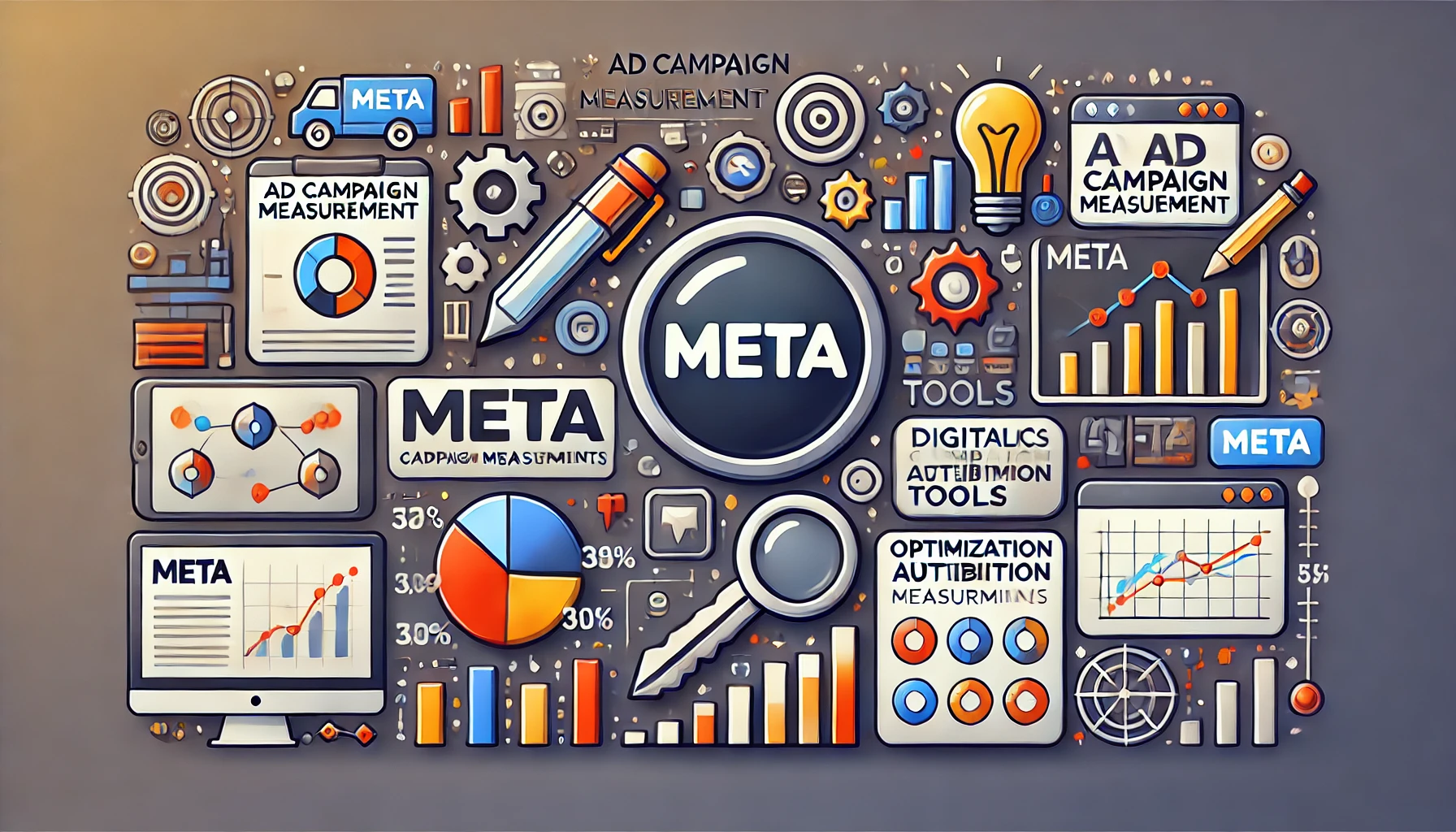
Meta, the parent company of Facebook and Instagram, has announced a series of significant updates to its ad campaign measurement and attribution systems. These changes, set to roll out in the second half of the year, aim to provide businesses with more precise tools to measure the effectiveness of their ads and optimise campaigns. By integrating more external data inputs and leveraging AI-driven automation, Meta’s new features promise to enhance the way businesses connect their ads to conversions. In this article, we will explore the key updates Meta is introducing, their potential impact on ad performance, and what they mean for businesses using Meta’s ad platforms.
Meta’s Vision for Enhanced Ad Campaign Measurement
AI-Enabled Automation for Customised Results
Meta’s latest initiative focuses on evolving its ads system to deliver more customised results tailored to each business’s unique objectives. By integrating AI-enabled automation, Meta aims to help businesses grow by providing more accurate and relevant ad targeting. The company has emphasised its commitment to making its ad system more responsive to the specific metrics and value measurements used by businesses.
Key Highlights:
- Customisation: Businesses will have the ability to fine-tune their campaigns based on their specific value metrics.
- AI Integration: Meta’s AI models will continuously improve ad targeting and performance by incorporating external data sources.
Introduction of Conversion Value Rules
Optimising for High-Value Audiences
One of the most notable updates is the expansion of a feature called “Conversion Value Rules.” This tool allows businesses to express the value they place on different audiences or conversions, which Meta will then use to optimise campaigns more effectively. For instance, if a business identifies a customer segment with a 30% higher lifetime value, they can set a higher bid for this group without creating a separate campaign.
Benefits:
- Greater Automation: Businesses can achieve more precise targeting without manual segmentation.
- Improved Performance: By focusing on high-value customers, businesses can potentially increase the return on ad spend (ROAS).
How It Works:
- Set Value Rules: Advertisers define the value of different audience segments directly within Meta’s ad system.
- Optimised Bidding: Meta adjusts bids automatically to prioritise higher-value conversions.
Opt-In Attribution Setting for Incremental Conversions
Focusing on Incremental Gains
Meta is also introducing a new opt-in attribution setting designed to optimise for incremental conversions rather than sheer volume. This setting shifts ad delivery towards driving conversions that are directly influenced by Meta ads, offering a clearer picture of ad effectiveness. Early tests of this feature have shown a 20% improvement in incremental conversions.
Why It Matters:
- Better Insights: This setting provides more accurate insights into how Meta ads contribute to conversions that wouldn’t have occurred otherwise.
- Enhanced Targeting: By focusing on incremental conversions, businesses can fine-tune their ad strategies to target audiences more effectively.
Implementation:
- Opt-In: Businesses can choose to enable this setting, allowing Meta to prioritise ads that drive incremental conversions.
- Incremental Focus: Ad delivery is adjusted to emphasise conversions directly influenced by Meta’s ad placements.
CRM Data Integration for Improved Targeting
Direct Data Integration with CRM Tools
In an effort to further refine ad targeting, Meta is rolling out the ability for businesses to integrate their Customer Relationship Management (CRM) data directly with Meta’s ad system. Starting with Google Analytics and Northbeam, and later expanding to Triple Whale and Adobe, this integration will allow Meta’s AI models to better align ad targeting with specific business goals.
Advantages:
- Deeper Insights: By connecting CRM data, businesses can provide Meta with more detailed information on customer behaviour and preferences.
- Enhanced Optimisation: Meta’s AI models will use this data to improve ad targeting and campaign optimisation over time.
How It Works:
- API Setup: Businesses can connect their CRM tools to Meta’s ad system through a simple API.
- Ongoing Learning: Meta’s AI will continuously learn from the integrated data to fine-tune campaign performance.
The Future of Meta’s Ad Targeting and Automation
Moving Towards Fully Automated Campaigns
Meta’s updates are part of a broader trend towards increased automation in digital advertising. The company envisions a future where advertisers can create highly effective campaigns by simply providing a product URL, with Meta’s systems handling the rest. These updates are a step towards that goal, offering businesses more powerful tools to optimise their ad strategies with minimal manual intervention.
What to Expect:
- Simplified Campaign Creation: As Meta continues to enhance its ad system, businesses will need to invest less time in manual campaign management.
- Maximised Targeting Efficiency: With more data points and AI-driven optimisation, Meta’s ad system will become increasingly effective at reaching the right audiences.
Meta’s upcoming updates to ad campaign measurement and attribution represent a significant shift in how businesses can optimise their advertising efforts on Facebook and Instagram. By introducing features like Conversion Value Rules, an opt-in attribution setting for incremental conversions, and CRM data integration, Meta is providing businesses with more precise tools to measure and improve ad performance. These enhancements not only promise to increase the effectiveness of Meta ads but also pave the way for a future where digital advertising is largely automated, driven by AI and data integration. As these changes roll out, businesses should prepare to adapt their strategies to take full advantage of the new opportunities offered by Meta’s evolving ad platform.