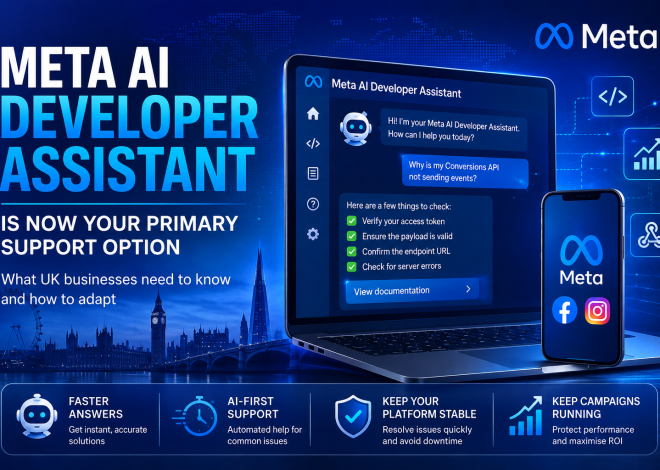
Meta Develops AI Tool to Detect Underage Users on Facebook and Instagram
In its ongoing efforts to enhance user safety, Meta is developing an innovative AI-based system designed to identify users who may be misrepresenting their age across various platforms, including Facebook and Instagram. This new tool aims to prevent younger users from accessing potentially harmful content, which aligns with the increasing regulatory pressure to protect minors on social media. Referred to as an “adult classifier,” this system will utilise AI to assess a user’s age by examining account data such as follower lists, content interactions, and even subtle indicators like birthday posts from friends. By categorising users as either older or younger than 18, Meta hopes to implement more targeted protections for younger audiences.
The functionality of Meta’s “adult classifier” rests on its ability to analyse a diverse range of data points from a user’s account to accurately predict their age group. Rather than relying solely on self-reported ages, which can be easily falsified, this AI system will draw insights from user activity patterns. For example, if a user’s profile interactions, friend lists, and birthday mentions correspond with behaviours typically associated with a younger demographic, the AI might flag the account for further review. This system is expected to undergo live testing on Instagram in the coming year, potentially enhancing Meta’s toolkit for age verification while adding another layer of protection for its younger users.
Meta’s initiative comes at a time when there is growing scrutiny regarding the impact of social media on young users. Countries such as Australia, Denmark, the U.S., and the U.K. are exploring stricter age verification regulations to mitigate potential online risks for minors. The implementation of age restrictions could have significant implications for Meta’s user base, making effective age verification crucial for the platform’s future viability. While Meta has previously suggested that app stores should take on the responsibility of enforcing age restrictions on social media platforms, this proposal has not gained traction, leaving Meta and other platforms to develop their own age detection mechanisms.
To enhance safety for younger users, Meta has already taken steps on Instagram by implementing an age verification process that requires selected users to confirm their age through government ID or by having trusted contacts vouch for them. Additionally, accounts belonging to teens come with heightened privacy settings, which limit interactions with unknown users and reduce exposure to possibly harmful content. Despite the advancements represented by Meta’s new AI tool, the challenges remain intricate. Young users may still find ways to circumvent these systems, and Meta acknowledges that, while technology continues to improve, age detection is not foolproof.
In conclusion, Meta’s initiative to develop an AI-powered age detection tool is a timely and proactive response to rising concerns about minors on social media. While challenges persist, this development underscores Meta’s commitment to better protecting its youngest users and enhancing accountability within the platform. As regulatory discussions continue, the emphasis on establishing more robust in-platform measures highlights the critical role of technology in navigating this ever-evolving landscape.