Meta’s New Business AIs: Revolutionising Transactional Engagement
Introduction
The Evolution of Business AI
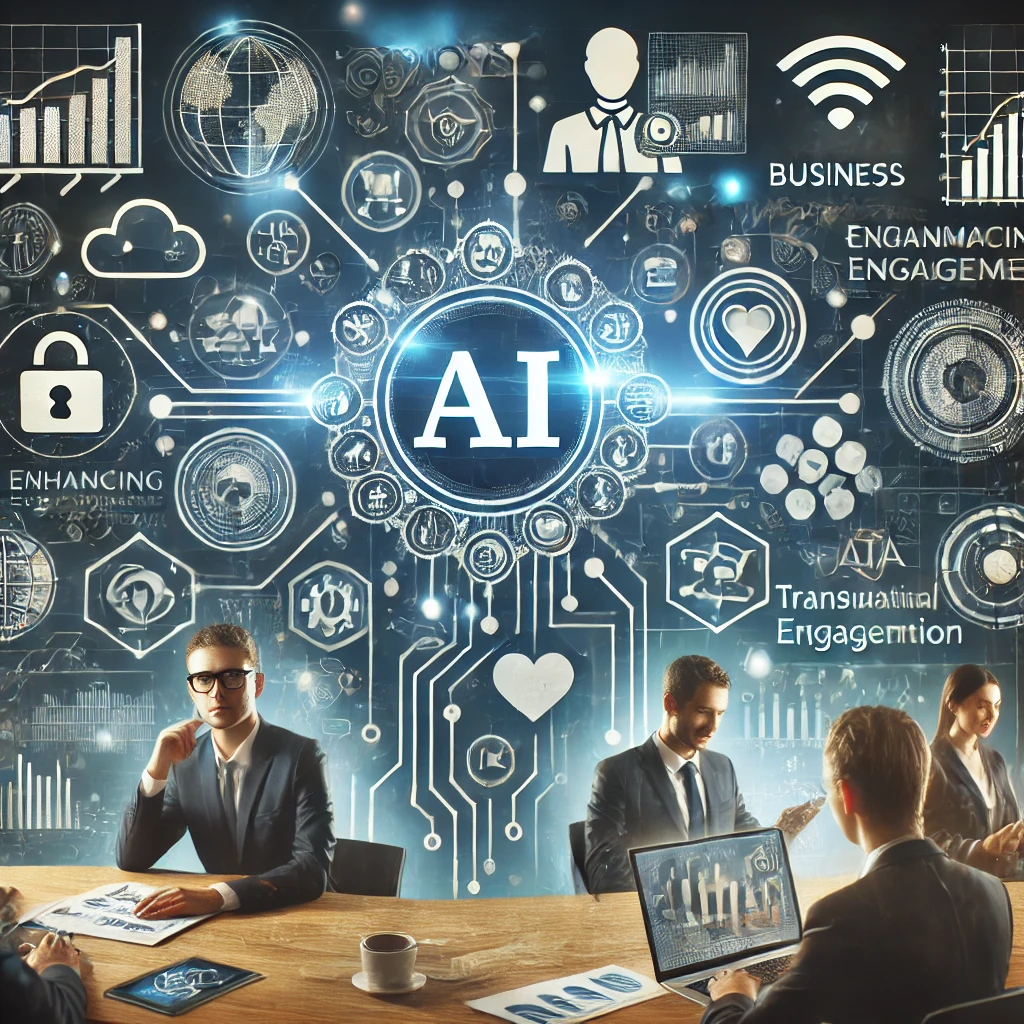
The use of AI in business is not a novel concept. However, the sophistication and applications of AI have grown exponentially in recent years. From chatbots handling customer service inquiries to predictive analytics guiding marketing strategies, AI’s role in business operations is expanding. Meta’s focus on developing business AIs is a strategic move to stay at the forefront of this technological revolution.
Key Features of Meta’s Business AIs
- Personalised Customer Interactions: Meta’s AIs can analyse customer data to provide personalised recommendations and responses, enhancing the customer experience.
- Automated Support: By integrating AI-powered chatbots and virtual assistants, businesses can offer 24/7 support, reducing response times and operational costs.
- Predictive Analytics: These AIs can predict customer behaviour and preferences, enabling businesses to tailor their offerings and marketing efforts more effectively.
- Seamless Integration: Meta’s business AIs are designed to integrate seamlessly with existing business systems, ensuring a smooth transition and minimal disruption.
- Enhanced Security: With advanced AI algorithms, businesses can detect and prevent fraudulent activities, safeguarding transactional integrity.
Benefits of Meta’s Business AIs
- Increased Efficiency: Automation of routine tasks allows businesses to allocate resources more efficiently, focusing on core activities and strategic growth.
- Improved Customer Satisfaction: Personalised and timely interactions lead to higher customer satisfaction and loyalty.
- Cost Savings: Reducing the need for extensive human support through AI automation can significantly cut operational costs.
- Data-Driven Decisions: AI analytics provide valuable insights, empowering businesses to make informed decisions based on data rather than intuition.
- Scalability: Businesses can scale their operations effortlessly with AI-driven solutions, accommodating growth without proportional increases in cost.
Implementing Meta’s Business AIs
Step 1: Identify Business Needs
Before implementing AI solutions, businesses must identify their specific needs and goals. This involves understanding which areas can benefit most from AI intervention, such as customer service, sales, or marketing.
Step 2: Choose the Right AI Tools
Meta offers a range of AI tools tailored to different business requirements. Businesses should select tools that align with their objectives and existing systems.
Step 3: Integrate and Test
Integration is a crucial step in the implementation process. Businesses should ensure that the AI tools integrate seamlessly with their current systems. Conducting thorough testing helps identify and resolve any issues before full deployment.
Step 4: Train Staff
Staff training is essential to maximise the benefits of AI. Employees should understand how to use AI tools effectively and leverage their capabilities to enhance business operations.
Step 5: Monitor and Optimise
Continuous monitoring and optimisation are vital to ensure the AI solutions deliver the desired outcomes. Businesses should regularly review performance metrics and make adjustments as needed.
Challenges and Considerations
- Data Privacy: With AI handling vast amounts of customer data, ensuring data privacy and compliance with regulations is paramount.
- Bias and Fairness: AI algorithms must be designed to avoid biases that could lead to unfair treatment of customers or skewed results.
- Integration Complexity: Integrating new AI tools with legacy systems can be challenging and may require significant investment and expertise.
- Cost of Implementation: While AI can lead to cost savings in the long run, the initial investment can be substantial, particularly for small businesses.
- Customer Acceptance: Some customers may be wary of interacting with AI rather than human representatives. Businesses need to manage this transition carefully to maintain trust.
The Future of Business AI
Meta’s development of business AIs is just the beginning of a broader trend towards AI-driven business operations. As AI technology continues to advance, we can expect even more sophisticated applications that further enhance transactional engagement and operational efficiency. Businesses that embrace these innovations will likely gain a competitive edge in their respective markets.
Conclusion
Meta’s initiative to develop business AIs marks a significant step forward in enhancing transactional engagement. By leveraging AI to automate support, personalise interactions, and provide predictive insights, businesses can improve efficiency, customer satisfaction, and overall performance. However, successful implementation requires careful planning, integration, and ongoing optimisation. As the technology evolves, businesses that adopt and adapt to these AI-driven solutions will be well-positioned to thrive in an increasingly competitive landscape.